The Story Behind Chongqing Hot Pot Culture
The Story Behind Chongqing Hot Pot Culture
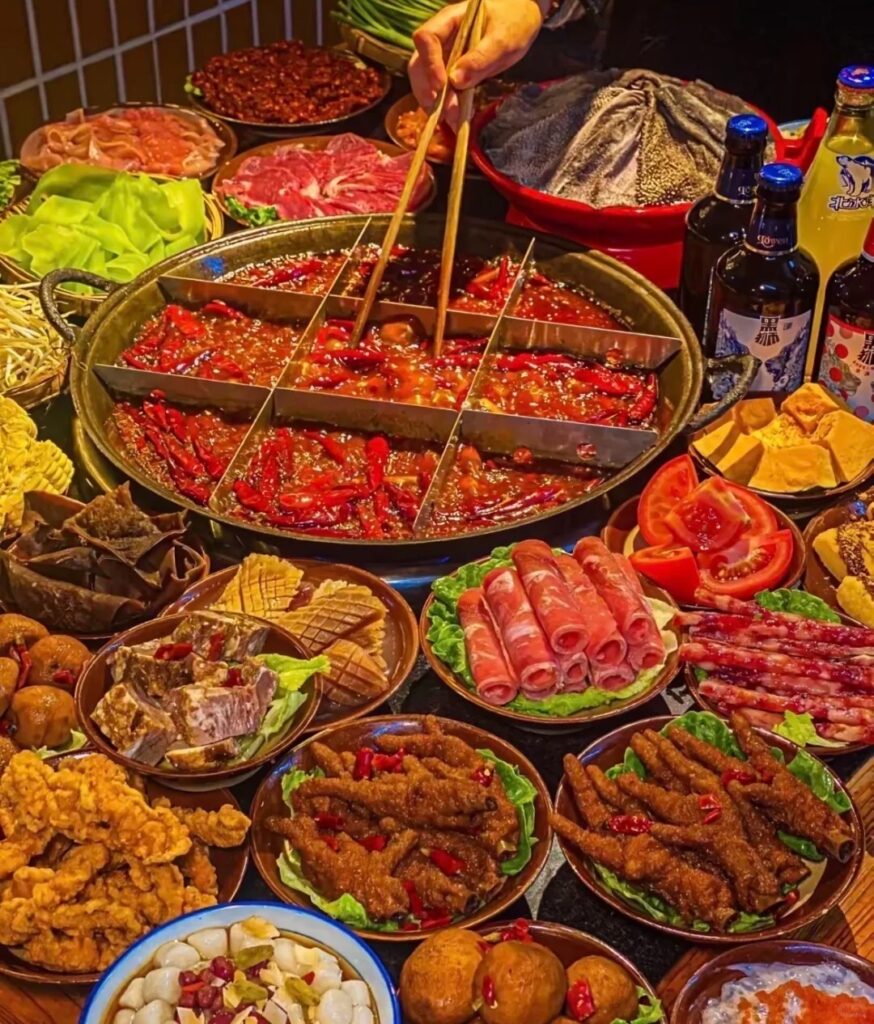
The Story Behind Chongqing Hot Pot Culture
More Than a Meal: Discover the Spicy Soul of China’s Mountain City
When people talk about Chongqing, one word almost always appears first:
Hot pot.
For many travelers, Chongqing hot pot is the first taste of this mountain city. The moment you walk into a local restaurant, you can smell the rich aroma of chili peppers, spices, and simmering broth. The sound of conversation fills the room, steam rises from the table, and friends gather around a shared pot in the center.
But Chongqing hot pot is much more than a famous dish.
It is a symbol of the city’s personality.
It represents the warmth of local people, the importance of friendship, and the energetic lifestyle of Chongqing.
To understand Chongqing, you need to understand its food.
And to understand Chongqing’s food culture, you need to start with hot pot.
Chongqing Hot Pot: A Taste of the City’s Personality
Every city has a flavor.
Some cities are sweet and gentle.
Some are elegant and refined.
Chongqing is bold, passionate, and unforgettable.
This is exactly what Chongqing hot pot represents.
Unlike many traditional dishes that are carefully prepared and served individually, hot pot is an interactive experience. Everyone sits around the same table, sharing the same pot, choosing ingredients, and enjoying the meal together.
The experience is lively and social.
People do not simply come to hot pot restaurants to eat.
They come to spend time together.
A dinner can last for several hours. Friends talk, laugh, and share stories while the ingredients slowly cook in the spicy broth.
For local people, hot pot is not just food.
It is a way of connecting with others.
This is why Chongqing hot pot has become such an important part of the city’s identity.
The History Behind Chongqing Hot Pot
The story of Chongqing hot pot is closely connected with the history of the city itself.
Located beside the Yangtze River, Chongqing has been an important river port for centuries. In the past, many workers depended on the river for their livelihoods, including boatmen and port workers.
Life along the river was challenging.
Workers needed food that was affordable, filling, and full of energy.
Hot pot developed from this environment.
Simple ingredients were cooked together in a large pot, allowing people to enjoy a warm and satisfying meal.
Over time, this simple cooking style became more sophisticated.
Local spices, chili peppers, and traditional cooking techniques transformed hot pot into one of the most recognizable dishes in China.
Although Chongqing has changed dramatically over the years, hot pot remains connected to the city’s history.
It carries memories of rivers, neighborhoods, and generations of local people.
Why Is Chongqing Hot Pot So Spicy?
One of the first questions many international visitors ask is:
“Why is Chongqing hot pot so spicy?”
The answer comes from both geography and culture.
Chongqing has a humid climate, with hot summers and frequent moisture. Traditionally, local people believed that spicy foods helped create a feeling of warmth and comfort in this environment.
The combination of chili peppers, Sichuan peppercorns, spices, and oil creates the unique flavor of Chongqing cuisine.
However, the spiciness is not only about heat.
A good Chongqing hot pot has many layers of flavor:
- The rich aroma of spices
- The numbing sensation of Sichuan peppercorns
- The deep taste of beef tallow broth
- The freshness of different ingredients
The goal is not simply to make food spicy.
The goal is to create a complex and unforgettable taste.
The Secret of the Chongqing Hot Pot Broth
The heart of Chongqing hot pot is the broth.
Unlike some hot pot styles that use a light soup base, Chongqing hot pot is famous for its strong and flavorful spicy broth.
Traditional Chongqing hot pot often uses:
Beef Tallow
Beef tallow gives the broth a rich texture and deep flavor.
Chili Peppers
Local dried chilies create the famous red color and spicy taste.
Sichuan Peppercorns
These create a unique tingling sensation known as “mala.”
The word mala combines two Chinese sensations:
- Ma— the numbing feeling from Sichuan peppercorns
- La— the spicy heat from chili peppers
Together, they create the signature flavor of Sichuan cuisine.
Aromatic Spices
Ingredients such as ginger, garlic, and other spices add complexity and balance.
The result is a broth that is powerful but surprisingly elegant.
How to Eat Chongqing Hot Pot Like a Local
For first-time visitors, Chongqing hot pot may seem confusing.
There are many ingredients.
The broth looks intense.
The menu may contain unfamiliar items.
But that is part of the adventure.
A typical hot pot experience begins with choosing your soup base.
Many locals choose the traditional spicy broth, while some restaurants offer different options for visitors who prefer milder flavors.
Next comes the selection of ingredients.
Popular choices include:
Meat
- Thinly sliced beef
- Lamb
- Pork
- Chicken
Seafood
- Shrimp
- Fish
- Squid
Vegetables
- Mushrooms
- Lettuce
- Bamboo shoots
- Lotus root
Local Favorites
Some ingredients may surprise international visitors:
- Duck intestines
- Beef tripe
- Pig throat
These traditional choices are loved by many locals because of their unique textures.
The ingredients are cooked directly at the table, and everyone creates their own perfect combination.
The Importance of the Dipping Sauce
Another special part of Chongqing hot pot is the dipping sauce.
Unlike some cuisines where the chef controls the final flavor, hot pot allows each person to create their own taste.
A traditional dipping sauce often includes:
- Sesame oil
- Garlic
- Coriander
- Oyster sauce
- Chili
- Spring onions
The sauce helps balance the strong flavors of the spicy broth.
Every person can adjust it according to their preference.
This small detail represents something important about Chongqing culture:
Freedom and individuality within a shared experience.
Everyone enjoys the same meal, but everyone creates their own flavor.
Hot Pot Is About People, Not Just Food
The most important part of Chongqing hot pot is not the ingredients.
It is the people around the table.
In Chongqing, hot pot is a reason to gather.
Friends meet after work.
Families celebrate special occasions.
Business partners build relationships over dinner.
The meal creates time for conversation.
Unlike fast dining experiences, hot pot encourages people to slow down.
You sit together.
You talk.
You share.
You enjoy the moment.
This social culture is one reason hot pot has remained popular for generations.
It reflects the personality of Chongqing itself:
Warm.
Open.
Energetic.
The Hot Pot Streets of Chongqing
One of the best ways to experience Chongqing’s hot pot culture is to visit local neighborhoods.
You do not need to find a luxury restaurant.
Some of the best experiences can happen in small, traditional restaurants.
At night, many streets become filled with the smell of hot pot.
Red lanterns glow outside restaurants.
Families and friends sit around tables.
Steam rises into the air.
The entire neighborhood feels alive.
For visitors, this is one of the most authentic ways to experience Chongqing.
You are not just eating a famous dish.
You are participating in local life.
Beyond Hot Pot: Chongqing’s Passion for Food
Although hot pot is the symbol of Chongqing cuisine, the city’s food culture is much broader.
Visitors can also explore many other local dishes:
Chongqing Noodles
A simple but famous breakfast dish.
The combination of noodles, chili oil, vegetables, and spices creates a powerful flavor despite its simplicity.
Sour and Spicy Noodles
A popular street food made with sweet potato noodles, vinegar, chili, and peanuts.
Grilled Fish
A flavorful dish often enjoyed with friends.
Jianghu Cuisine
A style of cooking known for strong flavors and creative combinations.
These foods show the same characteristics as hot pot:
Strong flavors.
Rich traditions.
A connection between food and social life.
Why Foreign Travelers Love Chongqing Hot Pot
For many international visitors, Chongqing hot pot is more than a meal.
It is a cultural experience.
It allows travelers to understand how Chinese people socialize, celebrate, and connect with each other.
Unlike simply visiting a landmark, sharing a hot pot meal creates a personal memory.
Many travelers remember:
The first time they tasted Sichuan peppercorns.
The excitement of choosing unfamiliar ingredients.
The laughter around the table.
The warmth of sharing food with friends.
These moments often become the stories they tell after returning home.
Chongqing Hot Pot: A Symbol of Modern China
Today, Chongqing hot pot has become famous throughout China and around the world.
Restaurants inspired by Chongqing flavors have appeared in many countries.
However, experiencing hot pot in Chongqing itself is something different.
The atmosphere cannot be copied.
The connection to the city cannot be replaced.
Eating hot pot beside the mountains and rivers of Chongqing gives the experience a special meaning.
It connects the food with the place where it was born.
Final Thoughts: The Spicy Heart of Chongqing
Chongqing hot pot is not only about spice.
It is about history.
It is about culture.
It is about people.
The red broth represents the energy of the city.
The shared table represents the warmth of its people.
The unforgettable flavors represent Chongqing’s unique personality.
For travelers visiting China, trying Chongqing hot pot is not simply checking a dish off a list.
It is a chance to experience the heart of the city.
Because Chongqing’s true flavor is not only found in the food.
It is found in the conversations, friendships, and memories created around the table.
Chongqing hot pot is more than a meal.
It is the taste of Chongqing itself.