The Lama Temple Beijing: Discovering the Spiritual Heart of China’s Capital
The Lama Temple Beijing: Discovering the Spiritual Heart of China’s Capital
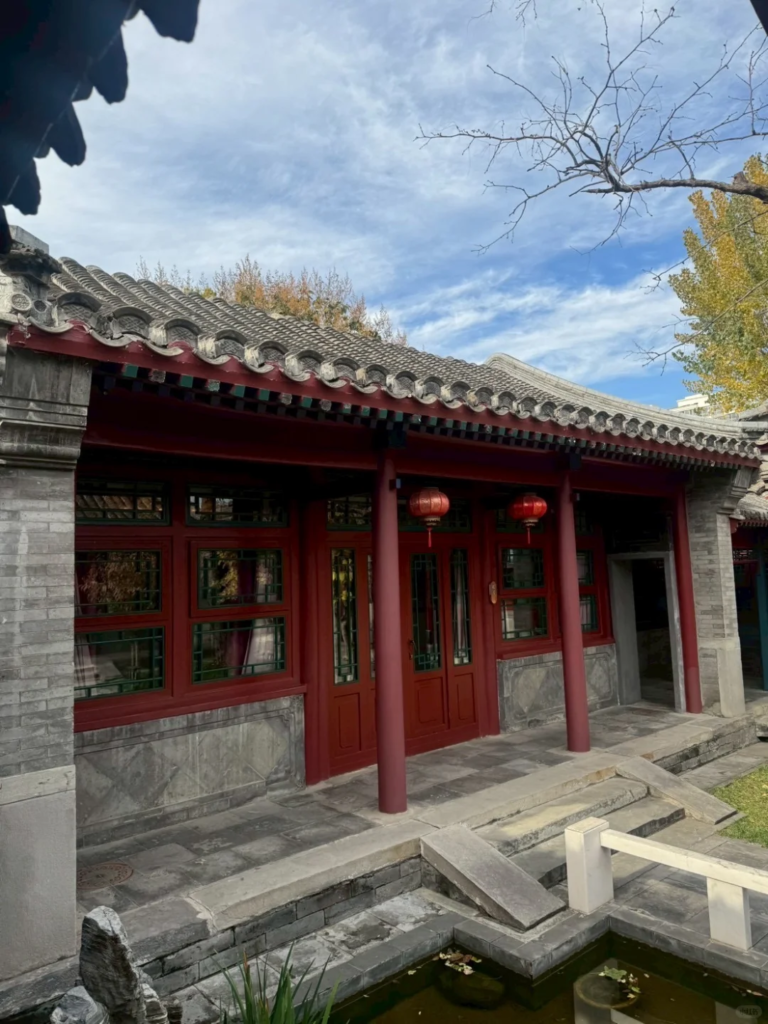
The Lama Temple Beijing: Discovering the Spiritual Heart of China’s Capital
Explore the History, Sacred Architecture, and Buddhist Culture Behind Beijing’s Most Unique Temple
Introduction: A Hidden Spiritual World Behind Beijing’s Busy Streets
Beijing is a city where the past and present exist side by side.
Modern skyscrapers rise above ancient neighborhoods.
High-speed trains connect the city to the future.
But behind traditional red gates and old walls, another Beijing continues to live.
A Beijing of quiet courtyards.
A Beijing of ancient traditions.
A Beijing of spirituality.
Walking through the busy streets of central Beijing, visitors may suddenly discover a peaceful world filled with the scent of incense, colorful buildings, and the sound of prayers.
This is the Lama Temple.
Known in Chinese as Yonghe Temple (Yonghe Gong), the Lama Temple is one of the most famous Tibetan Buddhist temples in China and one of Beijing’s most fascinating cultural landmarks.
Unlike the Forbidden City, which represents imperial power, or the Great Wall, which represents human determination, the Lama Temple reveals a more personal side of Chinese civilization:
The world of belief, reflection, and spiritual connection.
For centuries, this temple has welcomed emperors, monks, local residents, and travelers from around the world.
Today, it remains a living cultural space where visitors can experience a different rhythm of Beijing — slower, quieter, and deeply connected with history.
Why Is the Lama Temple Special in Beijing?
A Different Side of China’s Capital City
Most first-time visitors to Beijing have a list of famous places they want to see:
- The Great Wall
- The Forbidden City
- Tiananmen Square
- The Temple of Heaven
These landmarks are essential because they represent China’s history and national identity.
However, Beijing is not only a city of emperors and monuments.
It is also a city of culture and belief.
The Lama Temple offers visitors a chance to understand another side of China.
Here, you can see:
- Traditional Buddhist practices
- Beautiful religious architecture
- Ancient artwork
- Local people making wishes and offering prayers
For international travelers, this creates a more personal experience.
Instead of only looking at history from the outside, visitors can observe a tradition that continues today.
From Imperial Residence to Buddhist Temple: The Unique History of Lama Temple
The Story of a Prince, an Emperor, and a Sacred Place
The history of the Lama Temple is closely connected with the Qing Dynasty.
The temple was originally built in the late 17th century as a residence for Prince Yong, the fourth son of the Kangxi Emperor.
At that time, it was not a temple.
It was a royal residence.
Later, Prince Yong became the Yongzheng Emperor, one of the most important rulers of the Qing Dynasty.
After becoming emperor, part of the residence was transformed into a place for Tibetan Buddhist practice.
After Emperor Yongzheng’s death, the site became even more closely connected with Buddhism.
Eventually, the palace was converted into a monastery for Tibetan Buddhist monks.
This transformation makes the Lama Temple unique.
It combines two worlds:
- Imperial history
- Religious tradition
Visitors are not simply entering a temple.
They are stepping into a place where the stories of emperors and monks meet.
Why Did Qing Emperors Support Tibetan Buddhism?
Religion, Culture, and Political Connections
To understand the importance of Lama Temple, it is necessary to understand the relationship between the Qing Dynasty and Tibetan Buddhism.
The Qing rulers were Manchu, not Han Chinese.
During their rule, they managed a large and diverse empire that included many different ethnic groups and regions.
Tibetan Buddhism played an important role in maintaining cultural connections with areas such as Tibet, Mongolia, and other regions of western China.
By supporting Tibetan Buddhist traditions, Qing emperors strengthened relationships with different communities.
The Lama Temple became an important center for Tibetan Buddhist activities in Beijing.
It was not only a religious place.
It was also a symbol of cultural communication within the empire.
Walking Through Lama Temple: A Journey Through Five Sacred Halls
Discovering Beijing’s Most Colorful Temple Complex
Entering the Lama Temple feels like stepping into another world.
The temple complex follows a traditional north-south layout, with a series of halls connected by courtyards.
Each hall has its own meaning and atmosphere.
The Gate Hall: The Beginning of the Spiritual Journey
The first impression of Lama Temple comes from its traditional entrance.
The red walls, golden decorations, and peaceful courtyard immediately create a different feeling from the busy streets outside.
Passing through the gate represents leaving the ordinary world behind and entering a place of reflection.
The Hall of Harmony and Peace
This is one of the main buildings of the temple.
Visitors can see important Buddha statues and experience the atmosphere of Buddhist worship.
The hall represents balance and harmony — ideas that are central to Buddhist philosophy.
The Hall of Eternal Blessings
This hall has a close connection with the original imperial residence.
It reminds visitors that the Lama Temple was once part of the royal world.
The combination of palace-style architecture and religious elements makes the temple different from many other Buddhist sites.
The Hall of the Wheel of the Law
This hall reflects Tibetan Buddhist influences.
The decorations, statues, and religious symbols show the connection between Chinese and Tibetan Buddhist traditions.
For visitors interested in culture, this is one of the most interesting parts of the temple.
The Pavilion of Ten Thousand Happinesses
This is the highlight of the Lama Temple.
Inside is one of Beijing’s most impressive Buddhist statues.
It is a moment that many visitors remember long after their trip.
The Giant Wooden Buddha: One of Beijing’s Greatest Hidden Treasures
A Statue Carved From a Single Piece of Sandalwood
The most famous treasure of Lama Temple is the enormous Maitreya Buddha statue.
Standing inside the Pavilion of Ten Thousand Happinesses, this statue reaches an incredible height.
What makes it even more impressive is its construction.
The statue was carved from a single piece of sandalwood.
It extends deep underground, making its total height even greater than what visitors can see.
The craftsmanship required to create such a massive wooden sculpture was extraordinary.
For centuries, artists and craftsmen passed down techniques that allowed them to create religious artworks of incredible scale and detail.
Standing before this giant Buddha, visitors often feel a sense of wonder.
It is not only a sculpture.
It represents patience, devotion, and human creativity.
Understanding Tibetan Buddhist Culture Through Lama Temple
More Than Beautiful Buildings
Many visitors enter Lama Temple because they are attracted by its architecture.
But the deeper experience comes from understanding the culture behind what they see.
Inside the temple, visitors may notice:
- Buddha statues
- Incense offerings
- Prayer rituals
- Religious decorations
- Traditional Buddhist symbols
Each element has meaning.
For example, incense is not simply a pleasant smell.
It represents respect, sincerity, and people’s wishes for happiness and peace.
The temple provides visitors with an opportunity to observe how spiritual traditions continue in modern China.
Why Do People Burn Incense at Chinese Temples?
A Symbol of Respect and Personal Wishes
One of the most memorable experiences for many foreign visitors is seeing people offering incense at the temple.
For many Chinese people, burning incense represents:
- Showing respect to Buddha
- Expressing gratitude
- Making personal wishes
- Seeking inner peace
It is not only about asking for something.
It is also a moment of reflection.
Visitors often notice the calm and respectful atmosphere around these rituals.
Even people who are not religious can appreciate the cultural meaning behind the practice.
The Architecture of Lama Temple: A Meeting Point of Chinese and Tibetan Styles
Where Two Traditions Come Together
One of the reasons Lama Temple is so special is its unique architectural style.
It combines elements from:
Traditional Chinese Palace Architecture
Visitors can see:
- Symmetrical layouts
- Courtyard designs
- Red walls
- Golden decorations
These features reflect its imperial origins.
Tibetan Buddhist Architecture
Visitors can also find:
- Colorful decorations
- Religious symbols
- Unique statues
- Tibetan artistic influences
The result is a fascinating combination of different cultures.
The Lama Temple is a place where Chinese imperial history and Tibetan Buddhist tradition exist together.
Lama Temple Compared With Other Beijing Landmarks
Three Different Ways to Understand Beijing
Beijing’s famous landmarks each tell a different story.
The Forbidden City
The Forbidden City represents:
- Power
- Government
- Imperial authority
It shows how emperors ruled.
The Temple of Heaven
The Temple of Heaven represents:
- Harmony
- Nature
- The relationship between humans and the universe
It shows how emperors communicated with heaven.
The Lama Temple
The Lama Temple represents:
- Belief
- Spiritual life
- Cultural diversity
It shows how people searched for meaning beyond politics and power.
Together, these places create a more complete picture of Beijing.
Why International Travelers Love the Lama Temple
A Cultural Experience Beyond Sightseeing
Many tourists enjoy the Lama Temple because it offers something different from typical sightseeing.
Here, visitors can experience:
A Peaceful Atmosphere
The quiet courtyards provide a break from the energy of Beijing.
Unique Photography Opportunities
The colorful buildings, traditional decorations, and incense smoke create unforgettable scenes.
Cultural Understanding
Visitors can learn about Buddhist traditions and Chinese beliefs.
A More Personal Connection
Instead of only seeing historical objects, travelers can observe living traditions.
This makes the Lama Temple especially attractive to visitors who enjoy cultural and meaningful travel experiences.
How to Experience Lama Temple Like a Cultural Traveler
Visit in the Morning
Morning is one of the best times to explore Lama Temple.
The temple is quieter, the atmosphere is peaceful, and visitors can see local people beginning their daily rituals.
Walk Slowly and Observe Details
Do not rush through the temple.
Take time to notice:
- Roof decorations
- Buddha statues
- Traditional artwork
- Courtyard design
Many of the most interesting stories are hidden in small details.
Respect Local Customs
The Lama Temple is still an active religious site.
Visitors should:
- Speak quietly
- Follow photography rules
- Respect people who are praying
A respectful visit creates a better experience for everyone.
Final Thoughts: Lama Temple Shows Another Side of Beijing
The Great Wall tells the story of China’s strength.
The Forbidden City tells the story of imperial power.
The Temple of Heaven tells the story of harmony between humans and nature.
But the Lama Temple tells the story of belief.
It shows that Beijing has always been more than a political capital.
For hundreds of years, this city has been a meeting place of different cultures, traditions, and ideas.
Behind the red gates of Lama Temple, visitors discover a quieter Beijing.
A Beijing of incense, ancient wisdom, colorful architecture, and spiritual reflection.
The Lama Temple is not only a place to visit.
It is a place to experience.
And for travelers who want to understand the deeper culture of China’s capital, it offers one of the most unforgettable journeys in Beijing.