First Time in Chongqing: 15 Things Nobody Tells You Before Visiting
First Time in Chongqing: 15 Things Nobody Tells You Before Visiting
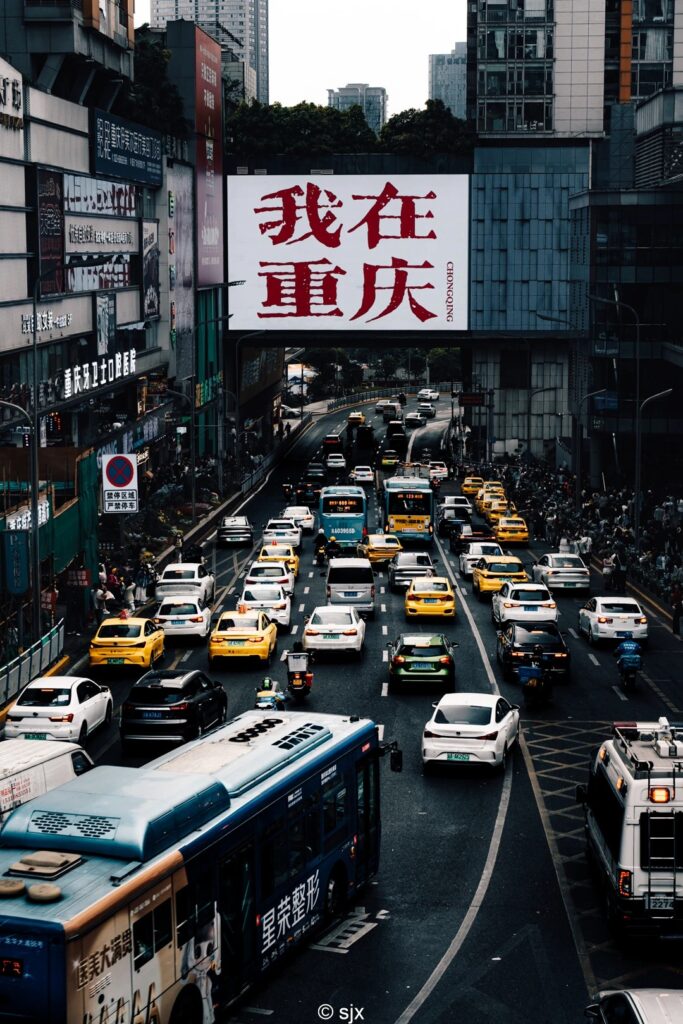
First Time in Chongqing: 15 Things Nobody Tells You Before Visiting
A Practical Guide to China’s Most Surprising Mountain City
When travelers imagine China, they often picture ancient temples in Beijing, skyscrapers in Shanghai, or pandas in Chengdu.
But Chongqing is something completely different.
It is a city that surprises almost everyone who visits for the first time.
You may think you understand what a modern city looks like — until you walk through Chongqing.
A road disappears into a building.
A subway train passes through an apartment block.
A restaurant sits halfway up a mountain.
A city street suddenly turns into a staircase.
At night, thousands of lights reflect on two rivers, creating a view that feels almost unreal.
But Chongqing is not always the easiest city for first-time visitors.
Its geography is unique.
Its food is intense.
Its transportation system can feel confusing.
Its culture is different from many other Chinese destinations.
That is exactly why preparation matters.
Before you visit Chongqing, there are some things you should know.
These tips will help you understand the city better, avoid common mistakes, and enjoy a more authentic experience.
1. Chongqing Is Not a “Normal” City — It Is a Mountain City
The first thing many visitors notice is that Chongqing does not feel like a traditional city.
Most cities expand horizontally.
Chongqing grows vertically.
The city is built on hills, mountains, and river valleys.
This creates a unique urban environment where:
- Streets can be on different levels
- Buildings can have multiple entrances
- Walking distances can be misleading
- Maps do not always show the real experience
A place that looks close on a map may actually require a long walk uphill.
A building that appears to be on the first floor may actually be connected to another street several levels above.
This is why many visitors describe Chongqing as a “3D city.”
The best way to explore it is not to fight the geography.
Enjoy it.
The hills and stairs are part of what makes Chongqing special.
2. Bring Comfortable Shoes — You Will Walk More Than Expected
Many first-time visitors underestimate how much walking Chongqing requires.
The city is full of:
- Hills
- Stairs
- Slopes
- Walking paths
- Bridges
Even if you use public transportation, you will probably walk a lot while exploring neighborhoods.
Places like:
- Mountain City Trails
- Ciqikou Ancient Town
- Riverside areas
are best discovered slowly on foot.
Comfortable shoes are one of the most important things to pack.
Fashion is less important than comfort here.
Your feet will thank you.
3. Chongqing Is Famous for Spicy Food, But Not Everything Is Extremely Spicy
Many travelers hear about Chongqing cuisine and immediately think:
“I cannot handle that much spice.”
Yes, Chongqing is famous for spicy food.
Especially hot pot.
But the city has much more than extremely spicy dishes.
You can still enjoy:
- Chongqing noodles
- Dumplings
- Barbecue
- Local snacks
- Mild versions of famous dishes
When ordering food, you can ask for:
“Less spicy”
or
“No spicy.”
Restaurants are used to visitors with different preferences.
However, if you enjoy spicy food, Chongqing is one of the best places in China to experience it.
4. Hot Pot Is Not Just Food — It Is a Social Experience
Many foreigners try Chongqing hot pot and focus only on the flavor.
But locals see hot pot differently.
It represents connection.
A hot pot meal is usually slow.
People sit together.
Talk.
Laugh.
Share food.
A dinner can easily last several hours.
The experience is about enjoying time with others.
When you visit Chongqing, do not rush your hot pot meal.
Take your time.
Enjoy the atmosphere.
It is one of the best ways to understand local culture.
5. The Weather Can Be Different From What You Expect
Chongqing is famous for its humid climate.
The city is often associated with:
- Clouds
- Mist
- Humidity
- Hot summers
Summer can be very warm, especially in July and August.
Spring and autumn are usually more comfortable for walking and sightseeing.
The weather also creates a unique atmosphere.
The mist around the mountains and rivers often makes Chongqing look mysterious and cinematic.
Some photographers actually prefer cloudy days because they create a special mood.
6. Do Not Only Visit Hongya Cave
Hongya Cave is probably the most famous attraction in Chongqing.
And yes, it is beautiful.
Especially at night.
But Chongqing is much more than Hongya Cave.
Many first-time visitors make the mistake of only visiting famous photo spots.
To understand the city, explore:
- Old neighborhoods
- Local markets
- Small restaurants
- Tea houses
- Riverside walking areas
The real charm of Chongqing is often hidden away from the most popular attractions.
7. Chongqing Looks Completely Different During the Day and Night
One of the biggest surprises about Chongqing is how much the atmosphere changes.
During the day:
You see mountains.
Rivers.
Neighborhoods.
Daily life.
At night:
The city transforms.
Buildings light up.
Bridges shine.
The rivers reflect the skyline.
The city feels futuristic.
This is why many travelers recommend experiencing Chongqing both during the day and after sunset.
They feel like two different cities.
8. Public Transportation Is Better Than You Think
Because Chongqing looks complicated, some visitors assume transportation will be difficult.
Actually, the city has an excellent public transportation system.
The metro is one of the easiest ways to travel.
It connects many major attractions, including:
- Downtown areas
- Tourist attractions
- Railway stations
- Airports
The famous Chongqing metro itself is also part of the experience.
For example:
Liziba Station became famous because trains pass through a residential building.
Transportation in Chongqing is not just practical.
Sometimes it is an attraction.
9. Learn a Few Simple Chinese Words
English is not widely spoken everywhere in Chongqing.
Especially in smaller restaurants and local neighborhoods.
Learning a few simple Chinese phrases can make your trip easier.
Useful phrases include:
Hello — 你好 (Nǐ hǎo)
Thank you — 谢谢 (Xièxiè)
How much? — 多少钱? (Duōshao qián?)
Not spicy — 不辣 (Bù là)
A little spicy — 微辣 (Wēi là)
Local people usually appreciate visitors who try to communicate in Chinese.
10. Chongqing Is Not Chengdu — Do Not Treat Them as the Same City
Many travelers visit both Chongqing and Chengdu because they are both in Sichuan cuisine culture.
But they have different personalities.
Chengdu is often described as:
Relaxed.
Slow-paced.
Elegant.
Chongqing feels:
Energetic.
Dramatic.
Fast-moving.
Mountainous.
Both cities are amazing, but they offer different experiences.
Chengdu is famous for tea houses and pandas.
Chongqing is famous for rivers, mountains, and its incredible urban landscape.
11. The Best Views Are Not Always the Most Famous Ones
Many visitors follow the same travel routes.
But some of the best Chongqing experiences come from unexpected places.
Try exploring:
- Small hillside streets
- Riverside paths
- Local neighborhoods
- Traditional markets
You may discover:
A beautiful viewpoint.
A quiet street.
A hidden restaurant.
A local scene that feels completely authentic.
Chongqing rewards curiosity.
12. Chongqing Is Bigger Than It Looks
Many visitors do not realize how large Chongqing is.
The municipality covers a huge area, including:
- Urban districts
- Mountains
- Rural areas
- Natural attractions
When planning your trip, pay attention to distances.
For example:
A trip to Wulong requires much more time than visiting downtown attractions.
Do not try to see everything in one day.
Slow travel works better in Chongqing.
13. The City Is Safe and Friendly for Travelers
Many first-time visitors are surprised by how welcoming Chongqing feels.
Local people are generally:
- Friendly
- Direct
- Helpful
- Curious about visitors
The city has a relaxed social atmosphere.
Small conversations, restaurant interactions, and neighborhood experiences often become some of the most memorable moments.
14. Cash Is Not the Main Payment Method Anymore
China has become highly digital.
Most locals use mobile payments for daily purchases.
Many restaurants, shops, and transportation services accept digital payments.
International visitors should prepare payment methods before arriving.
Having some cash is still useful, but mobile payment is increasingly common.
15. The Biggest Surprise: Chongqing Is About Feeling, Not Just Sightseeing
Many cities can offer famous attractions.
But Chongqing’s biggest attraction is the experience itself.
It is the feeling of:
Walking through a city built on mountains.
Eating hot pot with friends.
Watching boats move along the river.
Seeing lights appear across the hills.
Discovering streets that seem to have no beginning or end.
Chongqing is not a city you simply check off a list.
It is a city you experience.
A First-Time Visitor’s Perfect Chongqing Mindset
The best advice for visiting Chongqing is simple:
Do not expect it to be like other cities.
Do not rush.
Do not only chase famous landmarks.
Be curious.
Explore.
Get a little lost.
Try local food.
Talk with local people.
The things you did not plan often become the best memories.
Final Thoughts: Chongqing Is a City Full of Surprises
Your first visit to Chongqing may feel confusing.
The streets may seem complicated.
The food may feel intense.
The geography may surprise you.
But that is exactly why people remember it.
Chongqing is not a perfect postcard city.
It is better than that.
It is real.
It is energetic.
It is unpredictable.
It is a place where every corner can reveal something new.
For travelers looking for a destination that feels completely different from anywhere else:
Chongqing is waiting.
And the first thing you should know before visiting is this:
Expect the unexpected.