Discovering Old Chongqing: Streets, Alleys, and Local Life
Discovering Old Chongqing: Streets, Alleys, and Local Life
Discovering Old Chongqing: Streets, Alleys, and Local Life
Beyond the Famous Landmarks: Finding the Real Soul of China’s Mountain City
When travelers first arrive in Chongqing, they are often amazed by the city’s dramatic skyline.
They see skyscrapers rising between mountains.
They photograph the glowing lights of Hongya Cave.
They watch trains pass through buildings.
They admire the endless bridges crossing the rivers.
But behind Chongqing’s modern image, there is another side of the city waiting to be discovered.
A quieter side.
A more personal side.
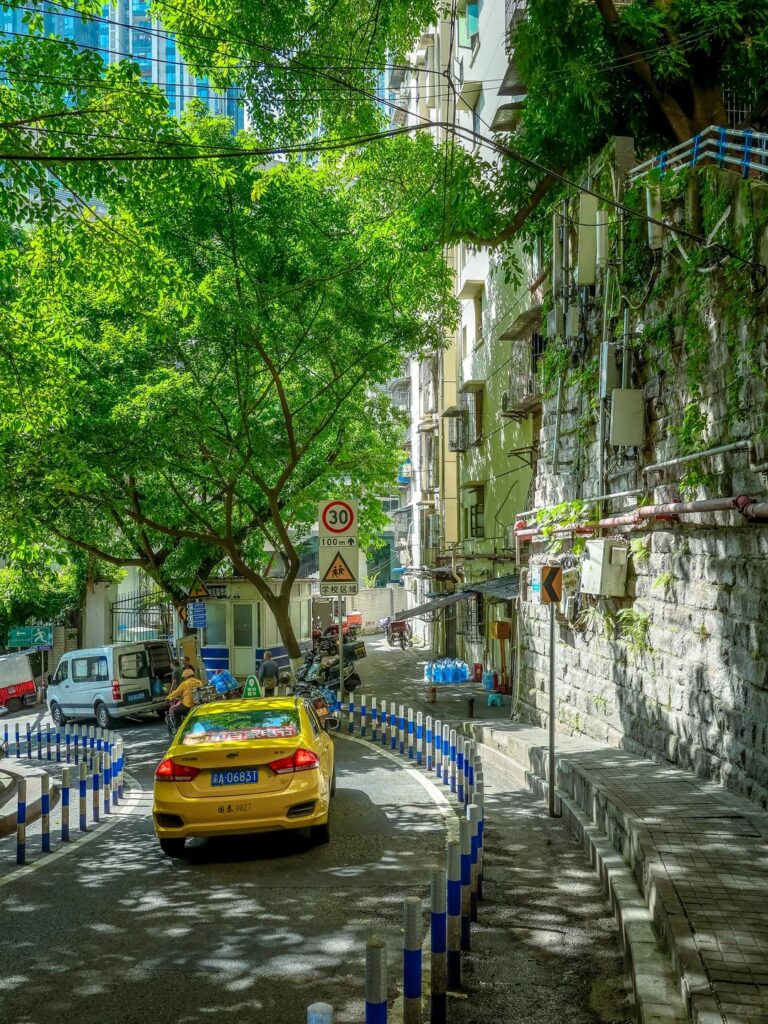
A side where elderly residents drink tea in small neighborhood shops, where narrow streets climb the hills, where local restaurants have served the same flavors for decades, and where everyday life continues just as it has for generations.
This is old Chongqing.
For travelers who want to experience the true character of the city, exploring its traditional streets and neighborhoods offers something that famous landmarks cannot provide.
Because a city is not only made of buildings.
A city is made of people, memories, and daily moments.
And in old Chongqing, you can feel the heartbeat of the city.
The Hidden Side of Chongqing
Many visitors first experience Chongqing through its most famous attractions.
They visit Hongya Cave.
They walk through Jiefangbei.
They take photos at Liziba Station.
These places are impressive and unforgettable.
But Chongqing’s real charm often appears in smaller places.
A staircase hidden between buildings.
A traditional neighborhood beside a modern shopping mall.
A local restaurant with only a few tables.
A small tea house where people spend their afternoons.
These places show a different Chongqing.
Not the Chongqing seen in advertisements.
Not the Chongqing shown only through beautiful photos.
But the Chongqing where people actually live.
Why Old Chongqing Is Special
The old neighborhoods of Chongqing are closely connected to the city’s geography.
Because Chongqing was built among mountains and rivers, people developed unique ways of living with the landscape.
Traditional streets were shaped by the hills.
Stone steps connected different areas.
Buildings followed the natural environment.
Neighborhoods grew around local communities.
Unlike many modern cities where old areas have disappeared, Chongqing still preserves many places where traditional life continues.
Walking through these neighborhoods feels like traveling through different periods of the city’s history.
One moment you may see a modern skyscraper.
The next moment you may find yourself in a quiet alley where time seems to slow down.
This contrast is what makes Chongqing fascinating.
The Mountain City Trails: Walking Through History
One of the best ways to discover old Chongqing is by walking its famous mountain trails.
These paths were once important transportation routes for local residents.
Before modern roads and elevators changed the city, people depended on these stone paths to move between different levels of the mountain landscape.
Today, many of these trails have become popular walking routes for visitors.
But they are not museums.
They are still connected to daily life.
As you walk, you may see:
- Local residents carrying groceries home
- Small shops selling traditional snacks
- Old buildings built into the hillsides
- Tea houses where people relax
- Beautiful views of rivers and city streets
The experience is completely different from visiting a typical tourist attraction.
You are not simply looking at Chongqing’s history.
You are walking through it.
Shancheng Alley: The Spirit of Old Chongqing
The phrase “Shancheng” means “mountain city,” and it perfectly describes Chongqing’s relationship with its environment.
Traditional alleys in Chongqing often follow the shape of the mountains.
They are not straight.
They rise and fall.
They turn unexpectedly.
They create small discoveries around every corner.
These alleys reveal the creativity of local people.
Living on steep land was not always easy, but generations of residents developed a unique urban lifestyle adapted to the mountains.
Small homes, neighborhood shops, and public spaces were connected through these narrow streets.
For visitors, walking through these areas provides a chance to see a more authentic side of Chinese urban life.
The Tea Houses: Where Local Life Slows Down
One of the most important parts of traditional Chongqing culture is the tea house.
In a fast-changing modern city, tea houses offer a place to slow down.
Local residents often spend hours there.
They drink tea.
They chat with friends.
They play traditional games.
They watch daily life happening around them.
Unlike some tourist attractions designed only for visitors, traditional tea houses remain part of ordinary life.
They represent a different idea of time.
In many modern cities, people are always rushing.
In Chongqing tea houses, people take time to enjoy simple moments.
For travelers, sitting in a local tea house can be one of the most meaningful cultural experiences.
You are not just drinking tea.
You are observing the rhythm of Chongqing life.
Old Neighborhood Food: The Taste of Local Memories
Food is an important part of discovering old Chongqing.
Many traditional dishes are closely connected with local neighborhoods.
Small restaurants hidden in old streets often serve some of the city’s most authentic flavors.
You may find:
- A small noodle shop serving Chongqing Xiaomian
- A family restaurant specializing in local dishes
- Street stalls selling traditional snacks
- Small hot pot restaurants loved by local residents
These places may not have modern decorations.
They may not appear in every travel guide.
But they often provide the most memorable experiences.
Because food in Chongqing is not only about taste.
It is about stories.
A restaurant that has existed for decades carries memories from generations of customers.
A simple bowl of noodles can represent a person’s childhood.
A family meal can represent local traditions.
Ciqikou Ancient Town: A Window Into Old Chongqing
One of the most famous places to experience traditional Chongqing is Ciqikou Ancient Town.
Located along the Jialing River, Ciqikou has a history of hundreds of years.
In the past, it was an important trading area because of its location near the river.
Merchants, craftsmen, and travelers passed through the town, creating a lively community.
Today, visitors can walk along its narrow streets and discover:
- Traditional architecture
- Local snacks
- Handmade crafts
- Historic buildings
Although Ciqikou has become popular with tourists, it still offers a glimpse into Chongqing’s past.
The old streets remind visitors that Chongqing was not created only by modern skyscrapers.
It has a long history shaped by rivers, trade, and local communities.
Eighteen Steps: A Neighborhood Between Past and Present
Another important example of old Chongqing is Eighteen Steps, a historic area in the city center.
For generations, this neighborhood represented traditional urban life in Chongqing.
Its narrow streets, stairs, and old buildings reflected the city’s unique mountain geography.
In recent years, the area has experienced transformation and renewal, combining historical memories with modern development.
Today, visitors can experience a mixture of:
- Traditional Chongqing culture
- Modern restaurants
- Cultural spaces
- Historic atmosphere
It represents an important question facing many cities:
How can a city develop while preserving its memories?
Chongqing’s answer is to allow the old and new to exist together.
The People Who Keep Old Chongqing Alive
Buildings can preserve history.
But people keep culture alive.
The true spirit of old Chongqing comes from its residents.
The elderly people sitting outside neighborhood shops.
The restaurant owners who continue traditional recipes.
The families who have lived in the same areas for generations.
The local workers who maintain everyday routines.
These people create the atmosphere that makes old Chongqing special.
For travelers, these human connections are often more memorable than any famous attraction.
A short conversation with a local person.
A recommendation from a restaurant owner.
A moment watching daily life on a street corner.
These small experiences create a deeper understanding of the city.
Old Chongqing vs Modern Chongqing
One of the most interesting things about Chongqing is that the old and new are not separated.
They exist together.
Modern Chongqing has:
- High-rise buildings
- Advanced transportation
- International businesses
- Futuristic architecture
Old Chongqing has:
- Traditional streets
- Local communities
- Tea houses
- Historic neighborhoods
Instead of replacing the past completely, Chongqing continues to carry it forward.
A traveler can experience both sides in the same day.
In the morning, walk through an old mountain neighborhood.
In the afternoon, explore a modern shopping district.
At night, enjoy the famous skyline above the river.
This combination is what makes Chongqing different from many other cities.
Why Foreign Travelers Should Explore Old Chongqing
For international visitors, old Chongqing offers something special.
It provides a chance to experience China beyond famous landmarks.
You can see how people live.
You can understand local traditions.
You can discover stories hidden in ordinary streets.
Old Chongqing is perfect for travelers who enjoy:
- Walking and exploration
- Photography
- Local culture
- Authentic experiences
- Discovering places beyond tourist routes
The best memories often come from unexpected moments.
A hidden alley.
A small restaurant.
A friendly conversation.
A beautiful view discovered while walking.
Final Thoughts: The Soul of Chongqing Lives in Its Streets
Chongqing is famous for its mountains, rivers, and incredible skyline.
But the true soul of the city can be found in its older neighborhoods.
It exists in the stone steps climbing the hills.
It exists in the smell of local food from small restaurants.
It exists in tea houses filled with conversations.
It exists in the people who continue the traditions of the city.
Modern Chongqing shows the future.
Old Chongqing tells the story of the past.
Together, they create a city that is both ancient and modern, traditional and innovative.
For travelers who want to truly understand Chongqing, do not only look up at the skyscrapers.
Look down at the streets.
Walk the alleys.
Meet the people.
Discover the stories.
Because the heart of Chongqing is not only found in its famous landmarks.
It is hidden in the everyday life of the city.