Best Things to Do in Beijing: A Journey Through China’s Ancient Capital
Best Things to Do in Beijing: A Journey Through China’s Ancient Capital
Best Things to Do in Beijing: Discover China’s Ancient Capital, Hidden Streets, and Timeless Wonders
Beijing: Where Ancient History Meets Modern China
Few cities in the world reveal their history as clearly as Beijing.
Walking through its ancient gates feels like stepping into another era. Exploring its narrow hutongs reveals a more personal side of the city, where elderly residents gather beneath old trees to play chess, children ride bicycles past traditional courtyard homes, and small neighborhood restaurants continue serving dishes perfected over generations.
Yet Beijing is far from a city frozen in the past.
Turn a corner, and the scenery changes completely. Ancient temples stand beside modern skyscrapers, traditional markets exist alongside luxury shopping districts, and centuries-old neighborhoods are surrounded by one of Asia’s most dynamic urban landscapes.
This unique contrast is what makes Beijing unforgettable.
As China’s capital for more than 700 years, Beijing has witnessed the rise and fall of dynasties, the ambitions of emperors, the achievements of scholars, and the transformation of a nation. Its magnificent landmarks tell stories of power, philosophy, and culture, while its everyday streets reveal the living traditions of ordinary people.
For first-time visitors, Beijing offers one of the most complete introductions to China. From imperial palaces and ancient temples to legendary cuisine, peaceful gardens, traditional neighborhoods, and the world-famous Great Wall, the city provides countless ways to experience Chinese history and culture.
However, the best way to discover Beijing is not simply by rushing from one attraction to another.
The true beauty of Beijing lies in slowing down.
Enjoy a cup of tea in a hidden courtyard. Walk through an old neighborhood without a fixed destination. Watch local residents practice tai chi in a park at sunrise. Taste a traditional snack from a small street vendor.
These simple moments often become the memories travelers remember most.
Here are the best things to do in Beijing for those who want to experience both the city’s iconic landmarks and its hidden character.
1. Walk Through 600 Years of History at the Forbidden City
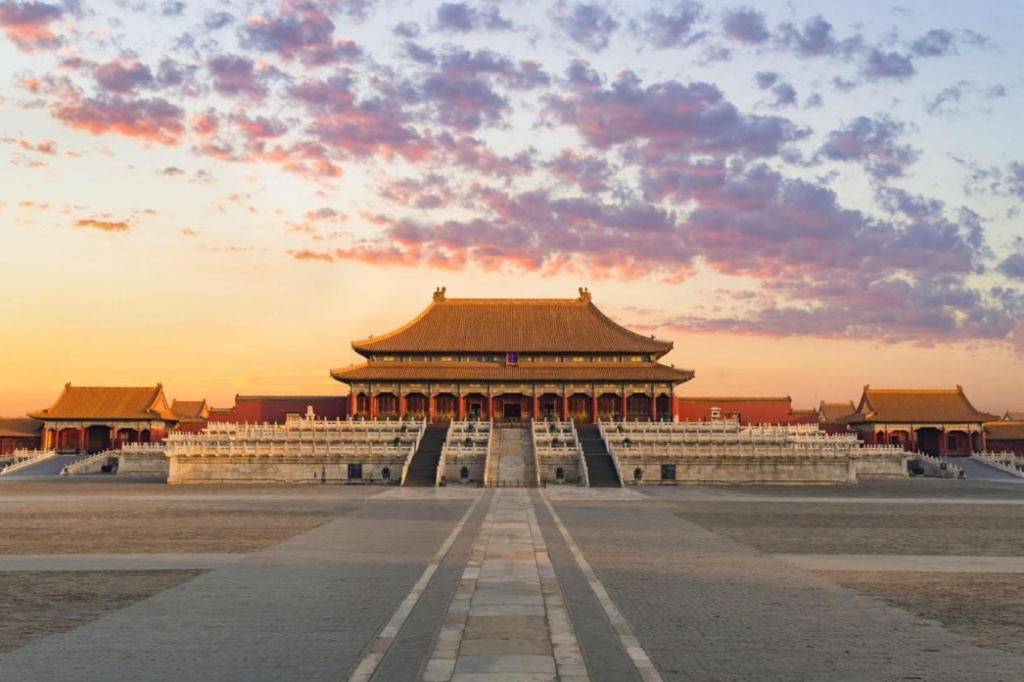
No journey through Beijing is complete without visiting the Forbidden City.
Located at the heart of the Chinese capital, this enormous imperial palace complex is one of the most important historical sites in the world. For nearly 500 years, from the Ming dynasty in the 15th century until the end of imperial rule in 1912, it served as the home of China’s emperors and the political center of the country.
Behind its massive red walls, emperors made decisions that shaped the future of an entire civilization.
Today, entering the Forbidden City feels like stepping into another world.
The first thing visitors notice is the incredible scale. More than 900 buildings are spread across the complex, arranged along a carefully designed north–south axis that reflects traditional Chinese beliefs about harmony between heaven and earth.
Golden roofs shine under the sunlight. Vast courtyards stretch into the distance. White marble terraces, impressive gates, and beautifully decorated halls showcase the extraordinary craftsmanship of ancient China.
But the Forbidden City is not only impressive because of its size.
Its greatest charm comes from the stories hidden within its walls.
As you walk through the palace grounds, imagine the ceremonies once held in these grand halls, the officials who passed through these gates, and the emperors who ruled from behind these walls.
While many visitors follow the main central route, the Forbidden City rewards those who take their time. The quieter side buildings, smaller courtyards, and peaceful gardens often reveal a more intimate side of imperial life.
Beyond the architecture, the Palace Museum houses one of the world’s most remarkable collections of Chinese art and historical treasures. Thousands of precious objects, including ceramics, paintings, jade carvings, and imperial artifacts, provide a deeper understanding of China’s artistic traditions.
Travel Tip: Visit Early for the Best Experience
The Forbidden City is one of Beijing’s most popular attractions, so arriving early in the morning is highly recommended, especially during weekends and public holidays.
The atmosphere is completely different before large crowds arrive. The quiet courtyards, soft morning light, and golden rooftops create a much more memorable experience.
Plan to spend at least half a day exploring the palace properly. The complex is much larger than many first-time visitors expect.
After visiting the Forbidden City, make your way to nearby Jingshan Park.
From the top of the hill, you will find one of the most iconic views in Beijing: rows of golden palace rooftops stretching across the horizon, with the modern city skyline rising behind them.
It is a perfect image of Beijing — a city where ancient history and modern life exist together.
2. Wander Through Beijing’s Historic Hutongs
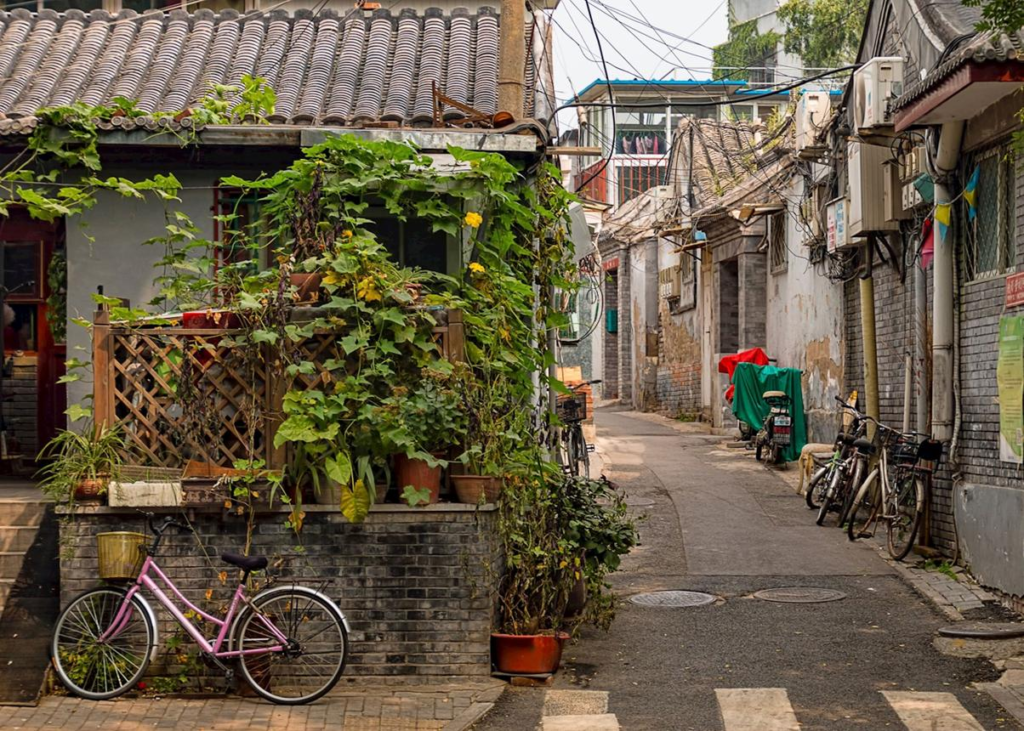
If the Forbidden City represents the power and grandeur of imperial Beijing, the hutongs reveal the city’s human side.
These traditional alleyways and residential neighborhoods have existed in Beijing for centuries. Built around courtyard homes known as siheyuan, hutongs were once the everyday living spaces of merchants, craftsmen, scholars, and local families.
While many historic neighborhoods have disappeared during the city’s rapid modernization, some hutongs have survived, offering visitors a rare opportunity to experience a slower and more traditional way of life.
Exploring the hutongs is one of the most rewarding experiences in Beijing because there is no grand entrance, no impressive monument, and no strict itinerary.
Instead, the experience comes from simply walking.
Follow a narrow lane. Turn down a quiet street. Stop at a small café or local restaurant. Observe daily life unfolding around you.
In popular areas such as Nanluoguxiang, visitors can discover a fascinating combination of old and new. Traditional grey-brick buildings stand beside creative shops, independent cafés, and small restaurants serving local dishes.
Although the area has become popular with visitors, the surrounding side streets still preserve the atmosphere of old Beijing.
For a quieter experience, explore the neighborhoods around Shichahai and the Drum and Bell Towers. Here, you can still see local residents enjoying their daily routines — neighbors chatting outside their homes, elderly people gathering in public spaces, and bicycles passing through narrow lanes where cars cannot enter.
One of the greatest pleasures of exploring hutongs is discovering the small details that bring the city to life:
A red lantern hanging above an old wooden doorway.
A retired resident practicing calligraphy in a peaceful courtyard.
The smell of freshly baked sesame cakes drifting from a neighborhood bakery.
Friends sitting under a tree, sharing tea and conversation.
These ordinary moments reveal a side of Beijing that cannot be found inside museums or historical buildings.
Experience Beijing Like a Local
To understand the stories behind these neighborhoods, consider joining a guided walking tour or exploring the hutongs by bicycle.
Local guides can introduce traditional architecture, family traditions, and the fascinating changes these neighborhoods have experienced over time.
The hutongs remind visitors that cities are not only built from monuments.
They are built from people, memories, and everyday moments.
3. Discover Beijing’s Spiritual Side at the Temple of Heaven
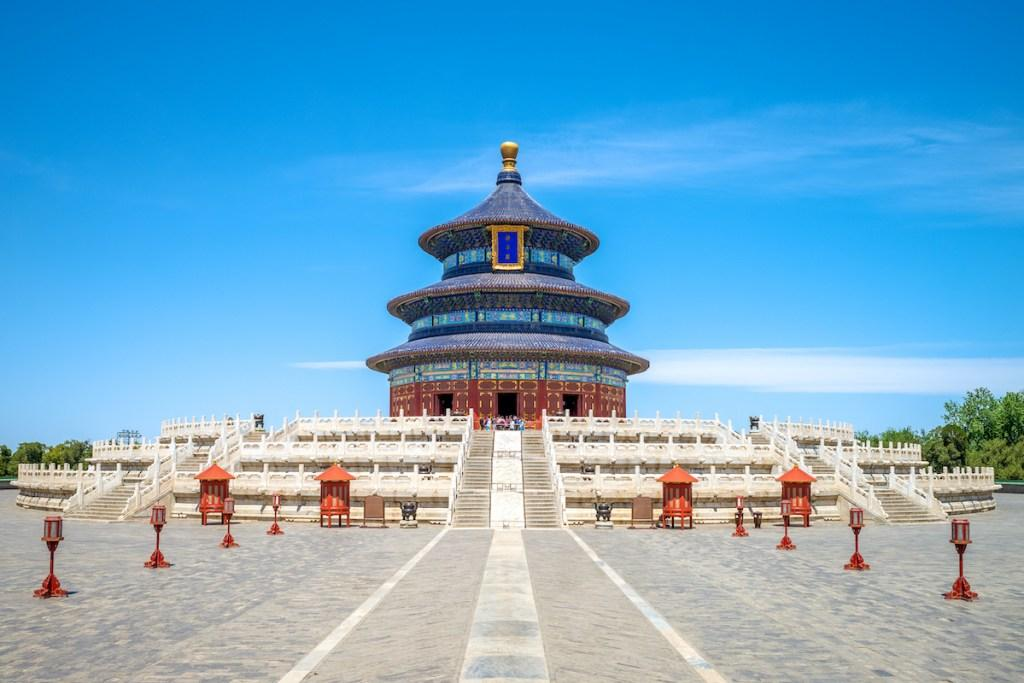
After exploring imperial palaces and lively neighborhoods, the Temple of Heaven offers a completely different experience.
Built during the Ming dynasty, this extraordinary complex was once the place where Chinese emperors performed ceremonies to pray for good harvests and communicate with heaven.
While the Forbidden City represented earthly power, the Temple of Heaven represented a deeper connection between humans, nature, and the universe.
The most famous structure here is the Hall of Prayer for Good Harvests — a magnificent circular building with deep blue roofs that has become one of China’s most recognizable architectural symbols.
However, the true charm of the Temple of Heaven extends far beyond its famous photograph.
Visit early in the morning, and you will discover one of the most authentic scenes of everyday Beijing life.
Local residents gather throughout the surrounding park to practice tai chi, dance, sing traditional songs, and play musical instruments beneath ancient trees.
For many older Beijingers, this place is not simply a historical attraction.
It is part of their daily routine.
Watching people practice tai chi in the same area where emperors once performed sacred ceremonies creates a powerful connection between the past and present.
The Temple of Heaven shows that Beijing’s history is not something preserved behind glass.
It continues to live through the traditions, habits, and daily lives of its people.
Best Time to Visit
Early morning is the ideal time to explore the Temple of Heaven.
The peaceful atmosphere, gentle sunlight, and local activities create a much richer experience than visiting during the busiest hours of the day.
It is a place where history, culture, and everyday life come together — a perfect reflection of Beijing itself.