Beyond the Great Wall: Hidden Villages, Ancient Temples, and Secret Landscapes Around Beijing
Beyond the Great Wall: Hidden Villages, Ancient Temples, and Secret Landscapes Around Beijing
Beyond the Great Wall: Hidden Villages, Ancient Temples, and Secret Landscapes Around Beijing
A Different Side of Beijing Where History, Nature, and Traditional Chinese Culture Meet
Introduction: The Beijing Most Travelers Never Discover
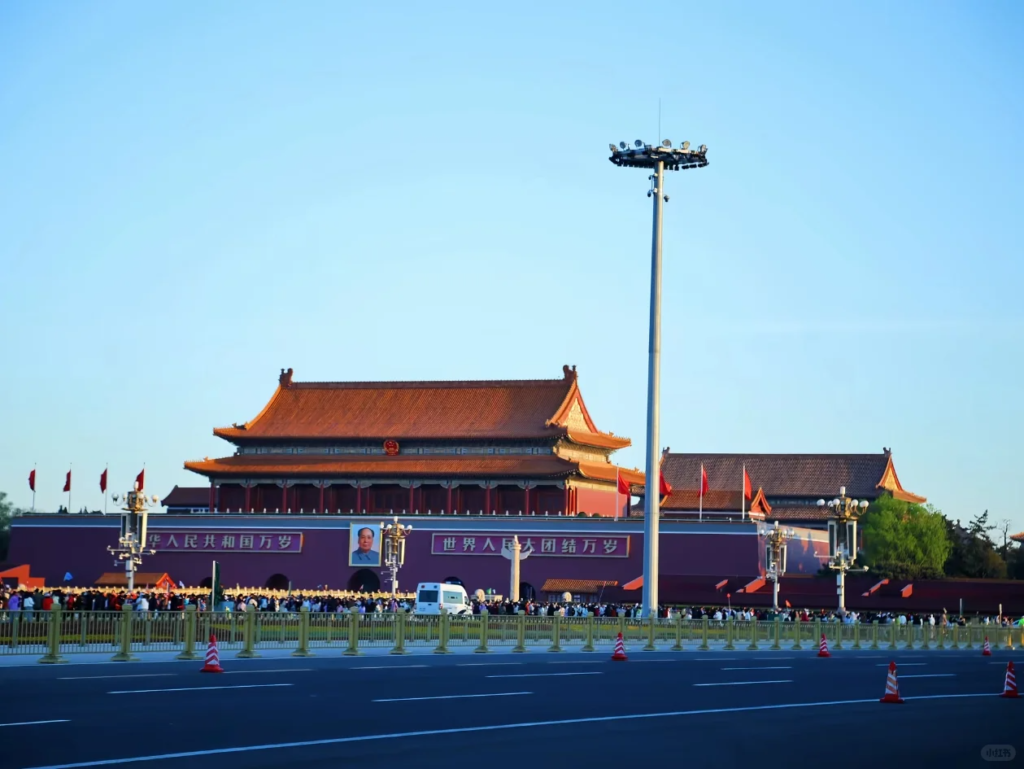
When people imagine Beijing, they usually picture the golden rooftops of the Forbidden City, the endless stone paths of the Great Wall, and the busy streets surrounding China’s ancient capital.
These iconic landmarks are unforgettable. They represent the power, history, and achievements of one of the world’s oldest civilizations.
But there is another Beijing that many international travelers never see.
Beyond the crowded city center, beyond the famous tourist routes, and beyond the postcard images of Beijing lies a quieter world of ancient villages, mountain temples, traditional communities, and breathtaking landscapes.
Here, time seems to move differently.
You can walk through centuries-old stone villages where families still live inside traditional courtyard houses. You can visit ancient Buddhist temples hidden among forests and mountains. You can enjoy local food prepared with recipes passed down through generations. You can hike through peaceful valleys where the only sounds are birds, wind, and flowing water.
This is the Beijing that many locals love.
It is a side of the capital that reveals something deeper about China — not only its imperial history, but also its connection with nature, community, and tradition.
For travelers who want more than checking famous attractions off a list, exploring the hidden landscapes around Beijing offers a completely different experience.
The Great Wall shows China’s strength.
The Forbidden City shows China’s imperial past.
But the villages, mountains, and temples around Beijing show the heart of China’s people.
Why Go Beyond Beijing’s Famous Attractions?
Seeing Beijing Is Different From Experiencing Beijing
For first-time visitors, the classic Beijing itinerary is easy to understand:
- Visit the Forbidden City
- Walk on the Great Wall
- Explore Tiananmen Square
- Try Beijing roast duck
These experiences are essential.
However, many travelers leave China with the same feeling:
“I saw the famous places, but I want to understand the real China.”
This is where Beijing’s surrounding areas become special.
A visit to a traditional village or mountain temple allows travelers to slow down and experience daily life.
Instead of only looking at historical buildings, you can:
- Talk with local residents
- Taste homemade food
- Discover traditional architecture
- Walk through quiet landscapes
- Learn stories that are rarely found in guidebooks
This style of travel is becoming increasingly popular among international visitors.
Modern travelers are looking for authenticity — experiences that feel personal, meaningful, and connected to local culture.
Beijing Is More Than an Imperial Capital
Many people think of Beijing as a city of palaces and government buildings.
But geographically, Beijing is much more diverse than many visitors expect.
The city is surrounded by mountains to the north and west, creating a natural landscape filled with:
- Forests
- Rivers
- Valleys
- Villages
- Ancient religious sites
For thousands of years, these mountains provided not only natural protection for Beijing but also places for meditation, farming, and traditional communities.
The areas around Beijing tell another chapter of Chinese history — one that is not about emperors, but about ordinary people.
Gubei Water Town: A Traditional Chinese Town Beneath the Great Wall
Where Ancient Architecture Meets Mountain Scenery
Located near the famous Simatai section of the Great Wall, Gubei Water Town has become one of Beijing’s most attractive cultural destinations.
Although it is a modern tourism development, it was designed around the atmosphere of traditional northern Chinese towns.
Walking through Gubei Water Town feels like entering a historical painting.
Visitors can discover:
- Stone-paved streets
- Traditional wooden buildings
- Small bridges crossing waterways
- Local restaurants
- Traditional craft shops
The town combines beautiful architecture with dramatic mountain scenery, creating a unique experience that is very different from the busy streets of central Beijing.
Why International Travelers Love Gubei Water Town
Many foreign visitors are surprised to discover that Beijing has places that feel completely different from a modern capital city.
During the day, travelers can explore quiet streets, visit traditional workshops, and enjoy views of the surrounding mountains.
At night, the atmosphere becomes even more magical.
Warm lights illuminate the streets, reflections appear on the water, and the distant Great Wall creates an unforgettable background.
For couples, photographers, and travelers interested in Chinese culture, Gubei Water Town offers one of the most memorable experiences near Beijing.
Suggested Gubei Water Town Experience
Time | Activity |
1:00 PM | Arrive and explore traditional streets |
3:00 PM | Visit local shops and cultural attractions |
5:30 PM | Enjoy dinner with mountain views |
7:00 PM | Experience the beautiful night scenery |
8:30 PM | Return to Beijing or stay overnight |
Best for:
- Couples
- Photography travelers
- Families
- Travelers looking for a relaxed cultural experience
Cuandixia Village: A 500-Year-Old Mountain Village Near Beijing
Step Into Traditional Northern China
Hidden in the mountains west of Beijing, Cuandixia Village is one of the best places to experience traditional northern Chinese village life.
The village was originally built during the Ming Dynasty and has preserved hundreds of traditional houses made from stone and wood.
Unlike modern cities where buildings change quickly, Cuandixia feels like a place where history remains alive.
Walking through the narrow village paths, visitors can see:
- Ancient courtyard homes
- Stone walls
- Traditional gates
- Mountain landscapes
- Local farming culture
The village provides a rare opportunity to see what life looked like in northern China centuries ago.
Why Photographers Love Cuandixia Village
Cuandixia has become popular among photographers because of its timeless atmosphere.
Every corner offers a story:
An old wooden door.
A stone staircase climbing the mountain.
A traditional courtyard filled with sunlight.
A local resident walking through a quiet alley.
Unlike famous landmarks where thousands of tourists take similar photos, Cuandixia offers something more personal.
It allows travelers to capture moments of everyday China.
Suggested Cuandixia Village Half-Day Route
Time | Activity |
8:30 AM | Depart from Beijing |
10:00 AM | Arrive at Cuandixia Village |
10:30 AM | Explore ancient courtyards and streets |
12:30 PM | Enjoy local village lunch |
2:00 PM | Photography and mountain views |
4:00 PM | Return to Beijing |
Best for:
- Culture lovers
- History enthusiasts
- Photography travelers
- Travelers seeking hidden gems
Tanzhe Temple: Beijing’s Oldest Buddhist Temple
A Spiritual Escape From the Modern City
While Beijing is known for imperial history, it is also home to a rich spiritual tradition.
Tanzhe Temple, located in the western mountains of Beijing, is one of the oldest Buddhist temples in the region.
The temple has a history of more than 1,700 years, making it older than the city of Beijing itself.
Surrounded by mountains and ancient trees, Tanzhe Temple offers a peaceful atmosphere far away from the energy of the city center.
Visitors can explore:
- Traditional Buddhist halls
- Ancient trees
- Stone pathways
- Religious artwork
- Quiet mountain scenery
The Beauty of Traditional Chinese Temple Culture
For international travelers, Chinese temples can feel very different from religious sites in other parts of the world.
Instead of towering European-style buildings, Chinese temples often blend naturally with their surroundings.
Architecture, gardens, mountains, and philosophy come together to create a sense of harmony.
At Tanzhe Temple, visitors can experience:
- The sound of temple bells
- The smell of incense
- The peaceful rhythm of Buddhist traditions
It is not only a historical attraction but also a place for reflection and relaxation.
Miyun and Huairou: Beijing’s Mountain Escape
Discover Beijing’s Natural Side
Many travelers are surprised to learn that Beijing offers incredible outdoor experiences.
The districts of Miyun and Huairou, located in the northern part of the city, are famous for their mountains, lakes, and rural landscapes.
These areas are perfect for travelers who want to combine culture with nature.
Popular experiences include:
- Mountain hiking
- Village visits
- Lake scenery
- Local food experiences
- Great Wall adventures
Hiking Experiences Near Beijing
Huanghuacheng Great Wall
Unlike the crowded sections of the Great Wall, Huanghuacheng offers a more natural experience.
Here, parts of the wall meet a beautiful lake landscape, creating one of the most unique views near Beijing.
It is ideal for travelers who want:
- Nature
- Photography
- A quieter Great Wall experience
Yunmeng Mountain
For outdoor lovers, Yunmeng Mountain offers forests, hiking trails, and fresh mountain air.
It is a great choice for travelers who want to escape the city and experience Beijing’s natural beauty.
A Perfect 3-Day Hidden Beijing Itinerary
For travelers who want to discover a different side of Beijing, this itinerary combines villages, temples, mountains, and local culture.
Day 1: Ancient Villages and Traditional Culture
Time | Experience |
Morning | Visit Cuandixia Village |
Noon | Enjoy local village lunch |
Afternoon | Explore ancient architecture |
Evening | Return to Beijing |
Day 2: Great Wall and Mountain Town Experience
Time | Experience |
Morning | Visit Simatai Great Wall |
Afternoon | Explore Gubei Water Town |
Evening | Enjoy night scenery |
Day 3: Temples and Local Life
Time | Experience |
Morning | Visit Tanzhe Temple |
Afternoon | Explore traditional neighborhoods |
Evening | Enjoy Beijing local cuisine |
Who Is This Experience Perfect For?
Travelers Who Have Already Seen Beijing’s Highlights
If you have already visited the Forbidden City and Great Wall, exploring hidden areas around Beijing allows you to discover something new.
Couples Looking for a Romantic Experience
The combination of:
- Mountain scenery
- Ancient villages
- Evening lights
- Quiet walks
makes this a perfect choice for couples.
Families Wanting Cultural Experiences
Children can learn about:
- Traditional Chinese architecture
- Village life
- Ancient history
- Local customs
in a more interactive way.
Photography Travelers
Beijing’s hidden areas provide endless photo opportunities:
- Old houses
- Mountain landscapes
- Local people
- Traditional architecture
Final Thoughts: Discover the Beijing Beyond the Postcards
Beijing is a city with many layers.
The famous landmarks tell only part of the story.
The Great Wall tells the story of China’s ambition.
The Forbidden City tells the story of emperors.
But the villages, temples, and mountains around Beijing tell the story of ordinary people — their traditions, beliefs, and connection with the land.
For travelers who want to experience China beyond the typical tourist route, these hidden corners offer something truly special.
Because the most meaningful journeys are not always about seeing the biggest attractions.
Sometimes, they are about discovering the quiet places where history is still alive.
窗体顶端
窗体底端
Beyond the Great Wall: Hidden Villages, Ancient Temples, and Secret Landscapes Around Beijing
A Different Side of Beijing Where History, Nature, and Traditional Chinese Culture Meet
Introduction: The Beijing Most Travelers Never Discover
When people imagine Beijing, they usually picture the golden rooftops of the Forbidden City, the endless stone paths of the Great Wall, and the busy streets surrounding China’s ancient capital.
These iconic landmarks are unforgettable. They represent the power, history, and achievements of one of the world’s oldest civilizations.
But there is another Beijing that many international travelers never see.
Beyond the crowded city center, beyond the famous tourist routes, and beyond the postcard images of Beijing lies a quieter world of ancient villages, mountain temples, traditional communities, and breathtaking landscapes.
Here, time seems to move differently.
You can walk through centuries-old stone villages where families still live inside traditional courtyard houses. You can visit ancient Buddhist temples hidden among forests and mountains. You can enjoy local food prepared with recipes passed down through generations. You can hike through peaceful valleys where the only sounds are birds, wind, and flowing water.
This is the Beijing that many locals love.
It is a side of the capital that reveals something deeper about China — not only its imperial history, but also its connection with nature, community, and tradition.
For travelers who want more than checking famous attractions off a list, exploring the hidden landscapes around Beijing offers a completely different experience.
The Great Wall shows China’s strength.
The Forbidden City shows China’s imperial past.
But the villages, mountains, and temples around Beijing show the heart of China’s people.
Why Go Beyond Beijing’s Famous Attractions?
Seeing Beijing Is Different From Experiencing Beijing
For first-time visitors, the classic Beijing itinerary is easy to understand:
- Visit the Forbidden City
- Walk on the Great Wall
- Explore Tiananmen Square
- Try Beijing roast duck
These experiences are essential.
However, many travelers leave China with the same feeling:
“I saw the famous places, but I want to understand the real China.”
This is where Beijing’s surrounding areas become special.
A visit to a traditional village or mountain temple allows travelers to slow down and experience daily life.
Instead of only looking at historical buildings, you can:
- Talk with local residents
- Taste homemade food
- Discover traditional architecture
- Walk through quiet landscapes
- Learn stories that are rarely found in guidebooks
This style of travel is becoming increasingly popular among international visitors.
Modern travelers are looking for authenticity — experiences that feel personal, meaningful, and connected to local culture.
Beijing Is More Than an Imperial Capital
Many people think of Beijing as a city of palaces and government buildings.
But geographically, Beijing is much more diverse than many visitors expect.
The city is surrounded by mountains to the north and west, creating a natural landscape filled with:
- Forests
- Rivers
- Valleys
- Villages
- Ancient religious sites
For thousands of years, these mountains provided not only natural protection for Beijing but also places for meditation, farming, and traditional communities.
The areas around Beijing tell another chapter of Chinese history — one that is not about emperors, but about ordinary people.
Gubei Water Town: A Traditional Chinese Town Beneath the Great Wall
Where Ancient Architecture Meets Mountain Scenery
Located near the famous Simatai section of the Great Wall, Gubei Water Town has become one of Beijing’s most attractive cultural destinations.
Although it is a modern tourism development, it was designed around the atmosphere of traditional northern Chinese towns.
Walking through Gubei Water Town feels like entering a historical painting.
Visitors can discover:
- Stone-paved streets
- Traditional wooden buildings
- Small bridges crossing waterways
- Local restaurants
- Traditional craft shops
The town combines beautiful architecture with dramatic mountain scenery, creating a unique experience that is very different from the busy streets of central Beijing.
Why International Travelers Love Gubei Water Town
Many foreign visitors are surprised to discover that Beijing has places that feel completely different from a modern capital city.
During the day, travelers can explore quiet streets, visit traditional workshops, and enjoy views of the surrounding mountains.
At night, the atmosphere becomes even more magical.
Warm lights illuminate the streets, reflections appear on the water, and the distant Great Wall creates an unforgettable background.
For couples, photographers, and travelers interested in Chinese culture, Gubei Water Town offers one of the most memorable experiences near Beijing.
Suggested Gubei Water Town Experience
Time | Activity |
1:00 PM | Arrive and explore traditional streets |
3:00 PM | Visit local shops and cultural attractions |
5:30 PM | Enjoy dinner with mountain views |
7:00 PM | Experience the beautiful night scenery |
8:30 PM | Return to Beijing or stay overnight |
Best for:
- Couples
- Photography travelers
- Families
- Travelers looking for a relaxed cultural experience
Cuandixia Village: A 500-Year-Old Mountain Village Near Beijing
Step Into Traditional Northern China
Hidden in the mountains west of Beijing, Cuandixia Village is one of the best places to experience traditional northern Chinese village life.
The village was originally built during the Ming Dynasty and has preserved hundreds of traditional houses made from stone and wood.
Unlike modern cities where buildings change quickly, Cuandixia feels like a place where history remains alive.
Walking through the narrow village paths, visitors can see:
- Ancient courtyard homes
- Stone walls
- Traditional gates
- Mountain landscapes
- Local farming culture
The village provides a rare opportunity to see what life looked like in northern China centuries ago.
Why Photographers Love Cuandixia Village
Cuandixia has become popular among photographers because of its timeless atmosphere.
Every corner offers a story:
An old wooden door.
A stone staircase climbing the mountain.
A traditional courtyard filled with sunlight.
A local resident walking through a quiet alley.
Unlike famous landmarks where thousands of tourists take similar photos, Cuandixia offers something more personal.
It allows travelers to capture moments of everyday China.
Suggested Cuandixia Village Half-Day Route
Time | Activity |
8:30 AM | Depart from Beijing |
10:00 AM | Arrive at Cuandixia Village |
10:30 AM | Explore ancient courtyards and streets |
12:30 PM | Enjoy local village lunch |
2:00 PM | Photography and mountain views |
4:00 PM | Return to Beijing |
Best for:
- Culture lovers
- History enthusiasts
- Photography travelers
- Travelers seeking hidden gems
Tanzhe Temple: Beijing’s Oldest Buddhist Temple
A Spiritual Escape From the Modern City
While Beijing is known for imperial history, it is also home to a rich spiritual tradition.
Tanzhe Temple, located in the western mountains of Beijing, is one of the oldest Buddhist temples in the region.
The temple has a history of more than 1,700 years, making it older than the city of Beijing itself.
Surrounded by mountains and ancient trees, Tanzhe Temple offers a peaceful atmosphere far away from the energy of the city center.
Visitors can explore:
- Traditional Buddhist halls
- Ancient trees
- Stone pathways
- Religious artwork
- Quiet mountain scenery
The Beauty of Traditional Chinese Temple Culture
For international travelers, Chinese temples can feel very different from religious sites in other parts of the world.
Instead of towering European-style buildings, Chinese temples often blend naturally with their surroundings.
Architecture, gardens, mountains, and philosophy come together to create a sense of harmony.
At Tanzhe Temple, visitors can experience:
- The sound of temple bells
- The smell of incense
- The peaceful rhythm of Buddhist traditions
It is not only a historical attraction but also a place for reflection and relaxation.
Miyun and Huairou: Beijing’s Mountain Escape
Discover Beijing’s Natural Side
Many travelers are surprised to learn that Beijing offers incredible outdoor experiences.
The districts of Miyun and Huairou, located in the northern part of the city, are famous for their mountains, lakes, and rural landscapes.
These areas are perfect for travelers who want to combine culture with nature.
Popular experiences include:
- Mountain hiking
- Village visits
- Lake scenery
- Local food experiences
- Great Wall adventures
Hiking Experiences Near Beijing
Huanghuacheng Great Wall
Unlike the crowded sections of the Great Wall, Huanghuacheng offers a more natural experience.
Here, parts of the wall meet a beautiful lake landscape, creating one of the most unique views near Beijing.
It is ideal for travelers who want:
- Nature
- Photography
- A quieter Great Wall experience
Yunmeng Mountain
For outdoor lovers, Yunmeng Mountain offers forests, hiking trails, and fresh mountain air.
It is a great choice for travelers who want to escape the city and experience Beijing’s natural beauty.
A Perfect 3-Day Hidden Beijing Itinerary
For travelers who want to discover a different side of Beijing, this itinerary combines villages, temples, mountains, and local culture.
Day 1: Ancient Villages and Traditional Culture
Time | Experience |
Morning | Visit Cuandixia Village |
Noon | Enjoy local village lunch |
Afternoon | Explore ancient architecture |
Evening | Return to Beijing |
Day 2: Great Wall and Mountain Town Experience
Time | Experience |
Morning | Visit Simatai Great Wall |
Afternoon | Explore Gubei Water Town |
Evening | Enjoy night scenery |
Day 3: Temples and Local Life
Time | Experience |
Morning | Visit Tanzhe Temple |
Afternoon | Explore traditional neighborhoods |
Evening | Enjoy Beijing local cuisine |
Who Is This Experience Perfect For?
Travelers Who Have Already Seen Beijing’s Highlights
If you have already visited the Forbidden City and Great Wall, exploring hidden areas around Beijing allows you to discover something new.
Couples Looking for a Romantic Experience
The combination of:
- Mountain scenery
- Ancient villages
- Evening lights
- Quiet walks
makes this a perfect choice for couples.
Families Wanting Cultural Experiences
Children can learn about:
- Traditional Chinese architecture
- Village life
- Ancient history
- Local customs
in a more interactive way.
Photography Travelers
Beijing’s hidden areas provide endless photo opportunities:
- Old houses
- Mountain landscapes
- Local people
- Traditional architecture
Final Thoughts: Discover the Beijing Beyond the Postcards
Beijing is a city with many layers.
The famous landmarks tell only part of the story.
The Great Wall tells the story of China’s ambition.
The Forbidden City tells the story of emperors.
But the villages, temples, and mountains around Beijing tell the story of ordinary people — their traditions, beliefs, and connection with the land.
For travelers who want to experience China beyond the typical tourist route, these hidden corners offer something truly special.
Because the most meaningful journeys are not always about seeing the biggest attractions.
Sometimes, they are about discovering the quiet places where history is still alive.