Beijing: The Eternal Pivot
Beijing: The Eternal Pivot
Part I: The English Feature (A Holiday-Style Guide)
The Geography of Sovereignty
To enter Beijing in 2026 is to step into a theater of pure geometry. Unlike cities that grew like wild moss along riverbanks or spilled haphazardly over coastlines, Beijing was conceived all at once, born from the minds of imperial surveyors who believed that the human world must mirror the rigid order of the cosmos. It is a city built on an invisible spine—the Central Axis—a seven-kilometer line of absolute authority that runs from the Yongding Gate in the south straight through the dragon-carved thrones of the Forbidden City, exiting north through the steady beats of the Drum and Bell Towers.
For the modern traveler arriving under the city’s sweeping 2026 visa-free exemptions—whether slipping in for a spontaneous 144-hour rendezvous or settling in for a deeper 30-day residency—the scale of this metropolis can initially feel intimidating. It is a fortress of concentric ring roads, a shifting grid of ultra-modern glass towers and low-slung, grey-brick alleyways (hutongs). Yet, once you understand the axis, the city yields. It ceases to be an unreadable labyrinth and becomes a grand, symphonic composition of space, light, and power.
The Ghosts in the Courtyard
The soul of Beijing does not reside in its soaring skyscrapers, nor does it belong entirely to the vast, windswept stone plains of Tiananmen Square. To find the true pulse of this capital, one must descend into the hutongs—the labyrinthine networks of lanes that have survived centuries of dynastic collapse, war, and hyper-development.In neighborhoods like Dongcheng and Xicheng, the 2026 traveler will find a delicate, deliberate equilibrium. The local government’s preservation efforts have borne a beautiful, mature fruit: the historic grey-brick courtyards (siheyuan) have not been turned into dead museum pieces, but rather transformed into living, breathing spaces.
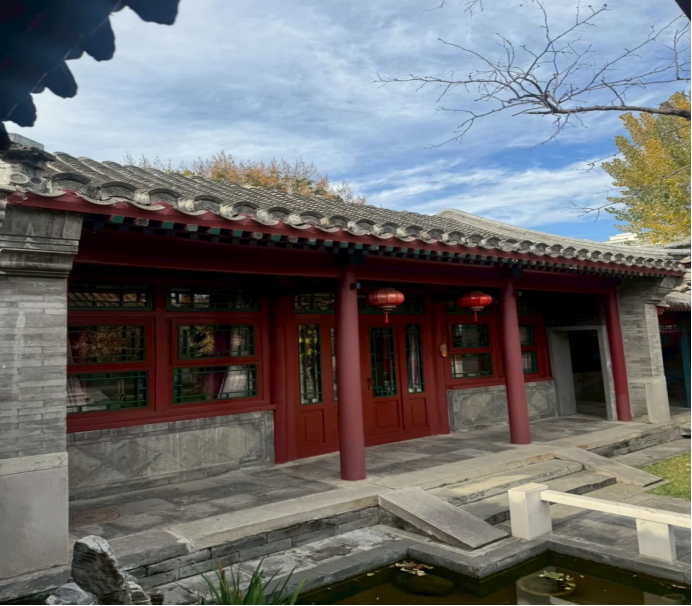
Walk down the narrow alleyways of Wudaoying or the quiet reaches of Baitasi (White Dagoba Temple). Here, the air carries a faint scent of toasted sesame oil and coal smoke, commingling with the aroma of freshly pulled espresso. You will pass an elderly resident airing his caged thrush under a pomegranate tree, and three steps later, you will find a hidden cocktail bar where a mixologist uses baijiu infused with local osmanthus flowers to create drinks that cost more than the old man’s monthly pension. This is the ultimate Beijing paradox: an ancient domestic rhythm existing flawlessly alongside an avant-garde appetite for the new.
The Monuments of Absolute Ambition
No journey to the capital is complete without confronting the sheer, unyielding ambition of its imperial monuments. The Forbidden City remains the undisputed sun around which the rest of Beijing orbits. In 2026, navigating this mountain of red wood and yellow tile has become a seamless, digital affair, but the physical sensation of walking through the Meridian Gate remains unchanged since the Ming Dynasty. It is a sensory assault of scale. The immense courtyards are designed to make the individual feel beautifully, terrifyingly insignificant.
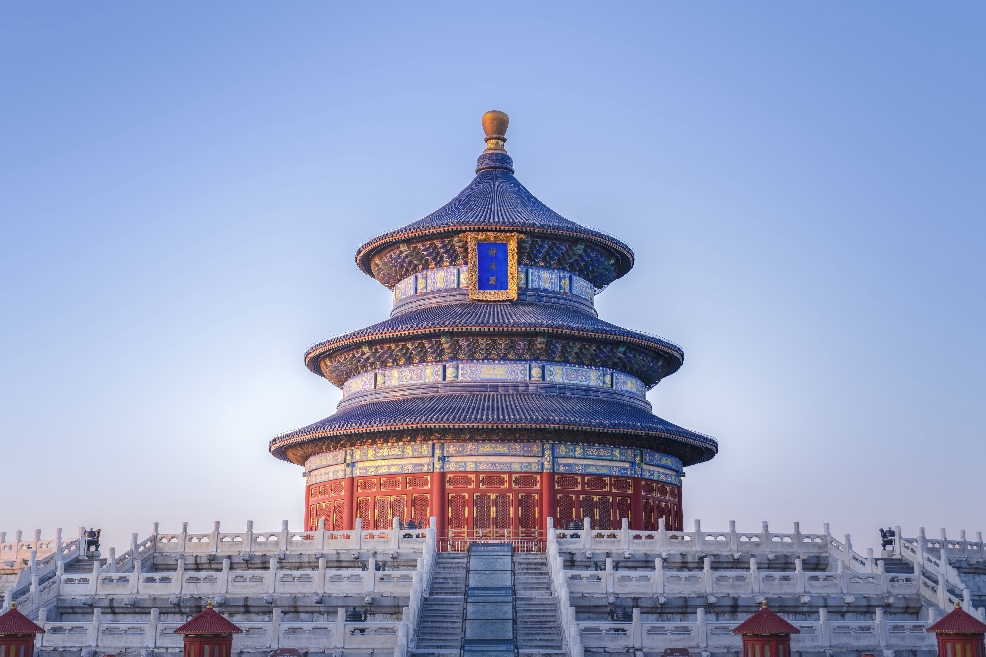
To escape the crowds, one should head south to the Temple of Heaven. If the Forbidden City represents the emperor’s earthly command, the Temple of Heaven is his communion with the divine. Arrive at the break of dawn. Long before the tour buses clog the gates, the park surrounding the temple belongs to Beijing’s retirees. It is a joyous, public carnival of aging: septuagenarians performing effortless tai chi, groups singing revolutionary anthems with operatic gusto, and old men practicing calligraphy on the stone pavement using giant brushes dipped in water.
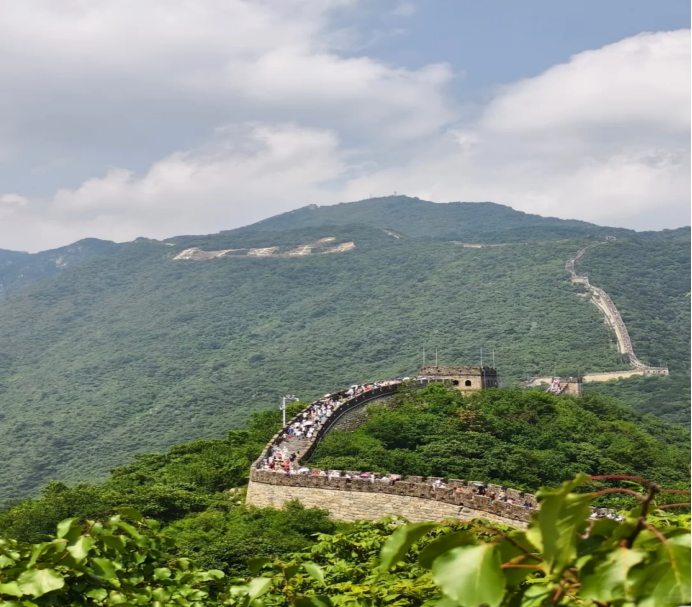
And then, there is the Great Wall. Dismiss any notions of it being a cliché. To stand on the craggy, unrestored ramparts of Jiankou—where the brick crumbles into wild mulberry bushes—or to watch the sunset paint the restored bastions of Mutianyu a deep, bruised gold, is to understand the defensive neurosis of an empire.
The Culinary Theater
Dining in Beijing is not merely a caloric necessity; it is a theatrical performance. The undisputed star of the show is, of course, the Peking Duck. At legendary institutions like Sheng Yong Xing or Da Dong, the presentation is treated with the reverence of a religious ritual. The chef wheels the glistening, mahogany-skinned bird to your bedside or table, his knife moving with surgical precision. The skin, shattered into crisp shards, is dipped in white sugar and melts instantly on the tongue like a decadent, savory cotton candy. The meat is then wrapped in paper-thin pancakes with sweet bean sauce, scallions, and julienned cucumber—a perfect architecture of flavor.
But the city’s culinary landscape in 2026 stretches far beyond the imperial kitchen. For a taste of the contemporary zeitgeist, one must explore the city’s booming casual dining scenes:
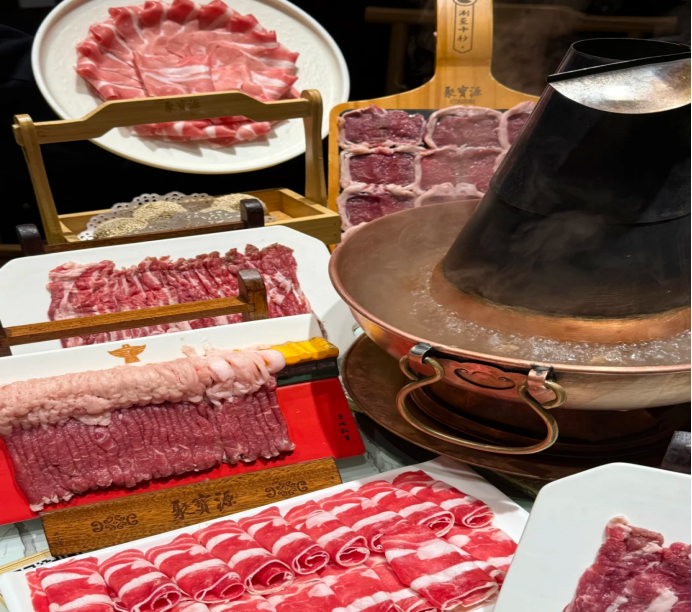
The Copper Hotpot: Gather around a whistling copper chimney filled with glowing charcoal at Ju Bao Yuan in the Muslim quarter of Niujie. Flash-boil paper-thin ribbons of mutton in a clear, ginger-infused broth, then drench them in a rich, velvety sesame paste.
The Midnight Chuan’r: On the neon-lit stretches of Guijie (Ghost Street), rows of red lanterns illuminate late-night revellers burying their faces in mounds of spicy crawfish (malalongxia) and skewers of lamb heavily dusted with cumin and chili flakes.
The Liquid Capital
If you want to understand where Beijing’s wealth, intellect, and creative energy congregate after dark, you look to its bars and cafes. The Sanlitun neighborhood, long the epicenter of expat hedonism, has matured into a sophisticated design district.
For the true connoisseur, the current gold standard lies in the hidden speakeasies of the Liangma River area. Thanks to recent urban renewal projects, the Liangma River has become the “Seine of Beijing.” On warm spring and summer nights, locals sit on the grassy banks drinking natural wines, while small electric boats glide past illuminated bridges.
Pop into bars like Janus or The Lounge, where the barmasters approach mixology with the seriousness of laboratory scientists, utilizing local ingredients like Ningxia goji berries, Yunnan tea leaves, and smoked dates to craft drinks that tell a story of modern Chinese identity.
The Pragmatic Protocol (2026 Essential Intelligence)
The Frictionless Entry: Take full advantage of China’s aggressive 2026 expansion of visa-free travel. Ensure your passport has at least six months of validity and that you possess a confirmed onward ticket if utilizing the 144-hour transit option.
The Digital Wallet: The physical banknote is an endangered species in Beijing. Before you board your flight, download Alipay or WeChat Pay and link your international credit card. From buying a single roasted sweet potato from a street vendor to purchasing a luxury jade carving, your smartphone is your lifeline.
The Subterranean Marvel: The Beijing Subway is a clean, hyper-efficient marvel of modern engineering. Avoid the rush hours (8:00 AM–9:30 AM and 5:30 PM–7:00 PM) when the platforms become rivers of human ambition. Use it to bypass the surface traffic jams on the Third and Fourth Ring Roads.
Beijing is not a city that flatters the traveler with easy charms. It demands stamina, curiosity, and a willingness to look beneath the heavy, monumental exterior. But for those who take the time to listen, it reveals itself as one of the most thrilling theater pieces on earth: a place where the shadow of the emperor still dictates the layout of the streets, even as the youth who walk them are busy inventing the future.