Beijing Hutongs: Discover the Hidden Side of Beijing Through Ancient Alleyways
Beijing Hutongs: Discover the Hidden Side of Beijing Through Ancient Alleyways
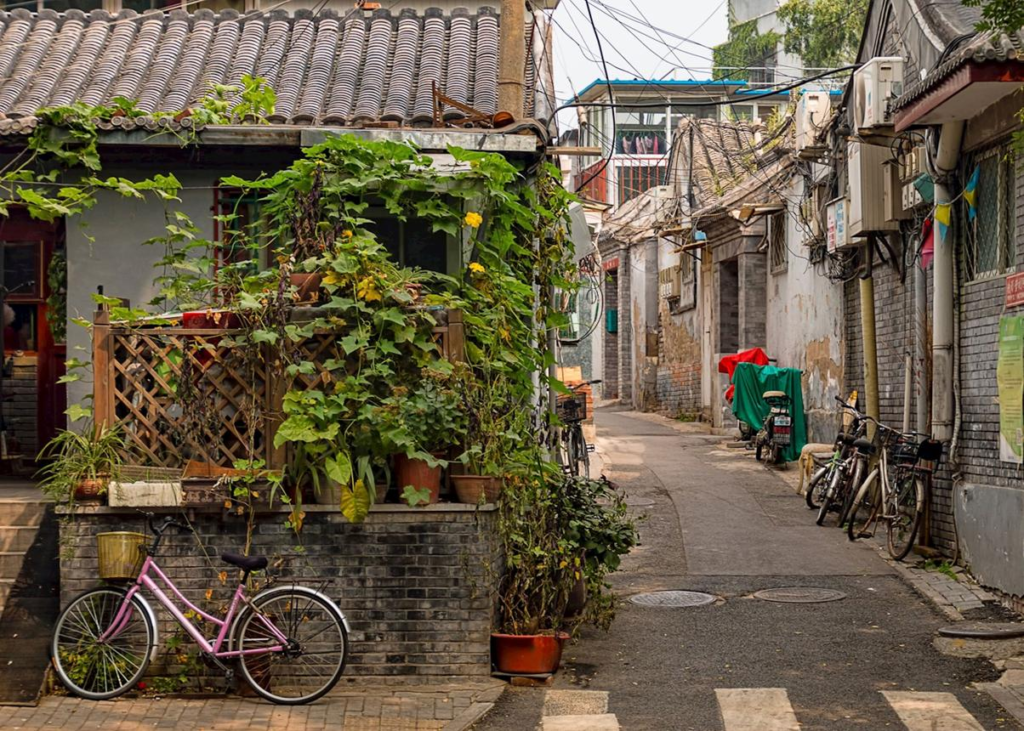
Beijing Hutongs: Discover the Hidden Side of Beijing Through Ancient Alleyways
A Local Guide to Traditional Neighborhoods, Courtyard Houses, Food, Culture, and Authentic Beijing Life
Introduction: Discovering the Beijing Behind the Famous Landmarks
When most travelers imagine Beijing, they picture the Great Wall winding across distant mountains, the golden roofs of the Forbidden City, or the impressive scale of Tiananmen Square.
These iconic landmarks tell the story of China’s emperors, history, and national achievements.
But there is another Beijing — a quieter, more personal side of the city hidden behind ancient grey walls and narrow streets.
It is the Beijing of hutongs.
Walking through a Beijing hutong is like stepping into a living history book. Instead of grand palaces and monuments, you will find small courtyards, traditional homes, local restaurants, elderly residents playing chess, children riding bicycles, and neighbors chatting outside their doors.
This is where you can discover how ordinary people have lived in Beijing for generations.
For international travelers, hutongs offer something that many famous attractions cannot provide: a connection with everyday Chinese life.
You are not just looking at history from behind a barrier. You are walking through real neighborhoods, meeting local people, tasting traditional food, and experiencing the rhythm of an ancient city that continues to evolve.
The Great Wall shows China’s strength.
The Forbidden City shows China’s imperial history.
But the hutongs show the soul of Beijing.
What Are Beijing Hutongs?
The Meaning Behind the Word “Hutong”
The word “hutong” refers to the narrow alleyways and traditional residential neighborhoods that have shaped Beijing’s urban landscape for hundreds of years.
Unlike modern city streets designed for cars and high-rise buildings, hutongs were created around community life.
A typical hutong consists of:
- Narrow lanes connecting homes
- Traditional courtyard houses
- Small local shops
- Family-owned restaurants
- Shared community spaces
For centuries, these neighborhoods were the heart of Beijing.
People were not separated behind tall apartment buildings. Instead, neighbors knew each other, shared daily experiences, and created strong community connections.
The History of Beijing Hutongs
From Imperial Capital to Modern City
The history of Beijing’s hutongs is closely connected with the history of the city itself.
Many hutongs developed during the Yuan Dynasty (1271–1368), when Beijing became the capital of China.
Later, during the Ming and Qing dynasties, the city expanded, and thousands of courtyard homes were built around the imperial center.
The traditional layout of Beijing followed careful planning principles:
- The Forbidden City stood at the center
- Important government buildings surrounded the palace
- Residential areas spread outward
- Hutongs connected communities together
At their peak, Beijing had thousands of hutongs covering large parts of the old city.
Today, although many traditional neighborhoods have disappeared due to urban development, many historic hutongs remain protected and continue to represent Beijing’s cultural identity.
Why Are Beijing Hutongs Worth Visiting?
Experience the Real Everyday Life of Beijing
For many travelers, the biggest question when visiting China is:
“Where can I experience the real China beyond the tourist attractions?”
The answer is often found inside the hutongs.
Unlike large monuments where visitors observe history from a distance, hutongs allow travelers to experience daily life directly.
You may see:
- Local residents practicing tai chi in the morning
- Elderly people playing Chinese chess under trees
- Small restaurants preparing handmade noodles
- Families enjoying tea in traditional courtyards
- Bicycle riders moving through quiet alleyways
These simple moments create some of the most memorable travel experiences.
Discover Traditional Chinese Courtyard Houses
One of the most fascinating parts of hutong culture is the Siheyuan, the traditional Beijing courtyard house.
A Siheyuan usually consists of four buildings arranged around a central courtyard.
The design reflects traditional Chinese ideas about:
- Family relationships
- Balance
- Privacy
- Harmony with nature
The courtyard was not simply an architectural feature. It was the center of family life.
Generations of relatives often lived together in the same compound.
The arrangement of rooms also reflected traditional social values, with different areas having different functions and meanings.
For foreign visitors, entering a traditional courtyard house provides a rare opportunity to understand how Chinese families lived for hundreds of years.
The Best Hutongs to Visit in Beijing
Beijing has many hutongs, but each neighborhood offers a different atmosphere.
Some are lively and modern, while others remain quiet and traditional.
Here are the best choices for international travelers.
Nanluoguxiang Hutong: The Most Famous Hutong Street
A Perfect Introduction for First-Time Visitors
Nanluoguxiang is probably the most famous hutong area in Beijing.
Located near the central city area, this historic neighborhood has become popular among travelers because it combines traditional architecture with modern lifestyle.
Walking along the narrow street, visitors can find:
- Traditional buildings
- Small cafes
- Boutique shops
- Local snacks
- Creative restaurants
It is a place where old Beijing meets new Beijing.
What Makes Nanluoguxiang Special?
The charm of Nanluoguxiang comes from its atmosphere.
During the day, visitors can explore small shops and traditional architecture.
In the evening, the area becomes lively with lights, restaurants, and young locals enjoying their free time.
However, because of its popularity, Nanluoguxiang can become crowded, especially during weekends and holidays.
For travelers who want a deeper cultural experience, it is recommended to explore the surrounding smaller alleys nearby.
Shichahai Hutongs: The Best Place to Experience Old Beijing
Traditional Neighborhoods Around the Lakes
If you want to discover a more authentic side of Beijing, Shichahai is one of the best choices.
Located around three beautiful lakes:
- Qianhai
- Houhai
- Xihai
this area combines natural scenery with traditional neighborhoods.
Walking around Shichahai, travelers can enjoy:
- Historic alleyways
- Traditional homes
- Lakeside views
- Tea houses
- Local restaurants
It is especially beautiful in the evening when the lights reflect on the water.
Things to Do Around Shichahai
Take a Traditional Rickshaw Ride
A rickshaw ride through hutongs is one of the most popular experiences for international visitors.
Instead of simply walking past buildings, travelers can listen to stories from local guides and discover hidden corners of old Beijing.
A good rickshaw experience may include:
- Historical explanations
- Local stories
- Courtyard house visits
- Photo opportunities
Enjoy Traditional Beijing Food
Hutongs are also some of the best places to discover local cuisine.
Some must-try foods include:
Food | Description |
Zhajiangmian | Beijing-style noodles with soybean paste and vegetables |
Jianbing | Traditional Chinese breakfast pancake |
Baozi | Steamed buns filled with meat or vegetables |
Tanghulu | Candied fruit snack popular in northern China |
Beijing Roast Duck | Beijing’s most famous traditional dish |
Trying local food inside a hutong restaurant provides a much more authentic experience than visiting international-style restaurants.