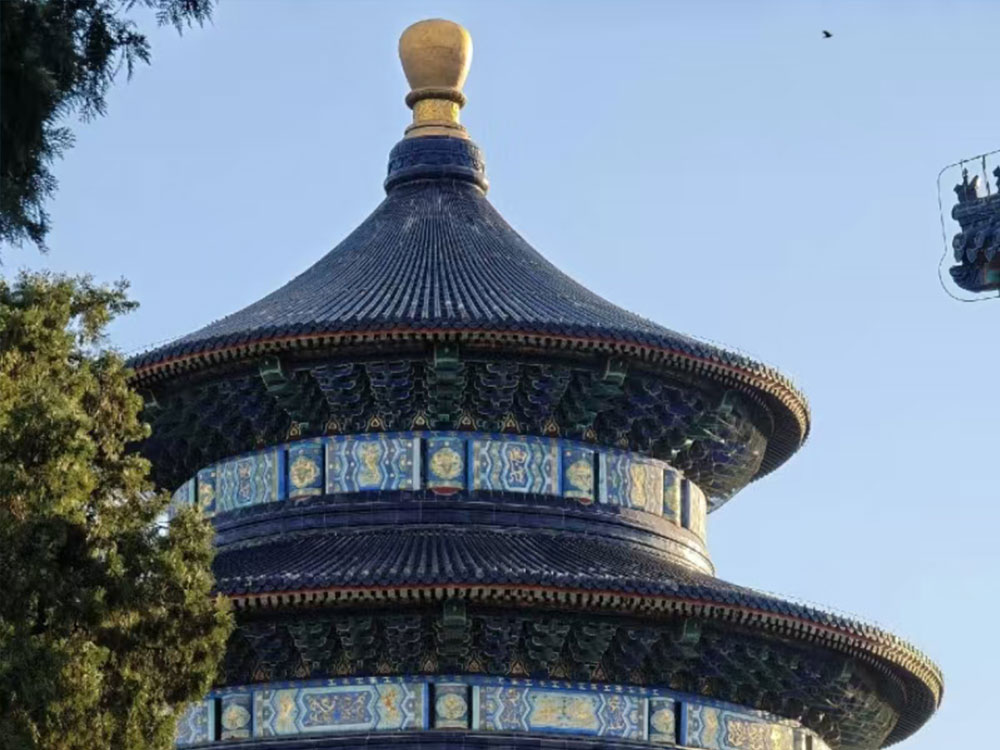
Beijing Off the Beaten Path: Boutique Experiences in Traditional Hutongs
For decades, the standard postcard of Beijing has been one of colossal scale: the crimson expanse of the Forbidden City, the brutalist grandeur of Tiananmen Square, and the serpentine infinity of the Great Wall. But the true heartbeat of this ancient capital doesn’t echo along ten-lane avenues. It hums, whispers, and clinks in the hutongs—the labyrinthine, grey-brick alleyways that have stitched Beijing’s urban fabric together since the days of Kublai Khan.
While the tour buses jostle for parking near the Forbidden City, a different kind of magic unfolds just a few miles away. Behind weathered scarlet doors and beneath the shade of ancient scholar trees lies a subterranean world of hyper-local chic. This is where dynastic architecture meets contemporary counter-culture; where octogenarians in white undershirts playing xiangqi (Chinese chess) share an alley with tattooed baristas pouring single-origin Ethiopian roasts.
For the discerning traveler looking to bypass the sanitized tourist traps, Beijing’s hutongs offer one of Asia’s most compelling urban adventures. Welcome to the flip side of the megalopolis.
The Geography of the Alleys: Mapping the Maze
Before you dive in, it helps to understand the lay of the land. The highest concentration of preserved hutongs sits within the Second Ring Road, primarily split between the Dongcheng (East) and Xicheng (West) districts.
- West (Xicheng): Quiet, Residential
◦ Yandai Xiejie
◦ Baitasi
- East (Dongcheng): Creative, Culinary
◦ Wudaoying
◦ Fangjia
Dongcheng is the creative epicenter. It’s home to hipster-heavy hubs like Wudaoying and Fangjia Hutong, where independent boutiques, hidden cocktail dens, and micro-roasteries flourish.
Xicheng skews more residential and contemplative. Around the Baitasi (White Dagoba Temple) and the lakes of Shichahai, you’ll find a slower, more authentic slice of old Beijing life, interspersed with avant-garde architectural renewals.
Morning: Slow Coffee and Spiritual Echoes
The Caffeine Pilgrimage
Forget the generic Starbucks overlooking the main roads. In Beijing, the third-wave coffee scene has gone completely underground—literally and structurally—into the siheyuan (traditional courtyard houses).
Start your morning in the northern stretches of Dongcheng at Metal Hands (Wudaoying Hutong). Named after the vintage piston espresso machines they use, this homegrown brand treats coffee like alchemy.
The Vibe: Concrete minimalism meets exposed Qing-dynasty wooden beams.
The Order: A “Dirty”—hot, rich espresso poured directly over ice-cold, secret-recipe condensed milk. Drink it in three swift gulps without stirring to experience the temperature and texture contrast that local coffee snobs rave about.
If you prefer your caffeine with a view of 13th-century Tibetan architecture, head west to the Baitasi neighborhood. Find Bear Brew, a tiny café with a rooftop terrace that puts you at eye level with the magnificent white stupa of the Miaoying Temple. Watching the morning sun hit the whitewashed dome while pigeons with whistles attached to their tails fly overhead, creating a haunting, musical drone in the sky, is a sensory core memory.
HUTONG COFFEE CRAWL
| Venue | Location |Signature Pick |
| Metal Hands | Wudaoying Hutong | The “Dirt |
|Bear Brew | Baitasi Area | Flat White on theRoof|
| Voyage Coffee| Beiluoguxiang| “Red CherryHand-Pour|
Venue Location Signature Pick
Metal Hands Wudaoying Hutong The “Dirty”
Bear Brew Baitasi Area Flat White on the Roof
Voyage Coffee Beiluoguxiang “Red Cherry” Hand-Pour
The Alternative Temple Run: Zhihua Temple
While the crowds queue at the Lama Temple, slip south to the criminally overlooked Zhihua Temple (Lumiangucheng Hutong). Built in 1443 by a powerful court eunuch, this black-tiled complex is a time capsule of Ming Dynasty aesthetics.
The real draw here isn’t just the exquisite, mortarless ceiling carvings; it’s the music. Zhihua is home to a troupe of musicians who perform Zhihua yinyue (Zhihua Court Music), a preserved form of 15th-century ritual music passed down through 27 generations of musicians via oral tradition and ancient notation.
At 10:00 AM daily, the musicians take the stage using traditional flutes, oboes, and cymbals. The sound is haunting, reedy, and melancholic—an acoustic bridge straight to the imperial court that sounds nothing like modern Chinese music. It is raw, hypnotic, and utterly devoid of tourist gloss.
Afternoon: Curated Retail and Edible Nostalgia
Hyper-Local Design and Retro Threads
Move away from the neon-soaked shopping malls of Wangfujing. The hutongs are breeding grounds for a fierce, independent retail movement driven by young Chinese designers who blend nostalgia with streetwear edge.
Stroll down Beiluoguxiang (the quieter, cooler cousin of the overly commercialized Nanluoguxiang). Here you’ll find:
- Lost & Found: A boutique dedicated to restoring and replicating the minimalist, understated furniture found in Chinese homes during the 1950s and 60s. Think solid walnut, clean lines, and an aesthetic deeply rooted in the concept of wabi-sabi.
- Plastered 8: Founded by a long-term expat, this iconic shop celebrates Beijing’s working-class design quirks—turning vintage enamel washbasins, old subway tickets, and iconic “Beijing Bikini” imagery into high-quality graphic tees and posters.
- Binfen Vintage: A treasure trove tucked inside a residential alley, packed with 1970s Shanghai silk dresses, retro denim, and deadstock dead-eye sunglasses from old state-owned factories.
The Art of the Hutong Lunch
By midday, follow your nose. The smell of roasting sesame, sizzling lamb, and simmering soy sauce is the ambient perfume of the alleys. Skip the formal sit-down restaurants and look for the laozihao (time-honored brands) and hole-in-the-wall joints.
The Savory Crêpe: Jianbing
Look for a window with a queue of local delivery drivers—the universal sign of culinary gold. A Jianbing is a stone-ground mung bean crepe cracked with an egg, brushed with sweet bean sauce and fiery chili paste, sprinkled with scallions and cilantro, and wrapped around a shatteringly crisp wonton cracker (baocui). It’s street food perfection for less than the price of a metro ticket.
The Ultimate Comfort: Zhaqiangmian
For something more substantial, track down a bowl of Zhaqiangmian (Hand-pulled noodles with fried bean sauce) at a no-frills spot like Fangzhuan Chang No. 69 Zhaqiangmian.
Components of a perfect Zhaqiangmian:
- Fresh, Chewy Wheat Noodles
- Rich, Savory Black Bean Paste
- Julinned Cucumber, Radish, & Bean Sprouts
- A Splash of Dark Rice Vinegar
The server will bring out a bowl of steaming, chewy wheat noodles, a dish of rich, dark pork-and-soybean paste, and a dozen tiny bowls of fresh vegetable toppings (julienned cucumber, radish, celery, and blanched bean sprouts). Mix it all together with a splash of dark rice vinegar and a raw clove of garlic on the side—if you want to eat like a true Lao Beijing (Old Beijinger).
Twilight: Hidden Galleries and Architectural Alchemy
As the afternoon heat breaks, the light in the hutongs turns a soft, dusty amber. This is the golden hour for architecture enthusiasts. In recent years, a movement called “Micro-Renovation” has swept through Xicheng and Dongcheng. Rather than bulldozing old structures, visionary architects are inserting glass, steel, and mirrored surfaces into derelict courtyards.
The Micro-Hutong Renewal
Make your way to Cha’er Hutong No. 8, near the Dashilar area south of Tiananmen Square. Here, architect Zhang Ke transformed a messy, multi-family courtyard (dazaoyuan) into a communal children’s library and art space. He inserted a miniature, cast-concrete pavilion underneath an ancient ash tree, seamlessly integrating the modern structure with the old brickwork. It’s an inspiring blueprint for how historical conservation can coexist with community life.
ARCHITECTURAL GEMS IN THE ALLEYS
Location Architect What to Look For
Cha’er Hutong No. 8 Zhang Ke Concrete pavilion under an ash tree; integrated library.
Baitasi Sharing Courtyard Dot Architects Retractable roof panels and movable furniture modules.
Contemporary Art Behind Grey Walls
Move over, 798 Art District—the hutongs have their own gallery scene, minus the commercialized crowds. Arrow Factory (located in Jianchang Hutong) was one of the pioneers, reclaiming a tiny storefront to showcase site-specific installations visible to passersby 24/7.
Though independent spaces frequently cycle through locations due to local zoning shifts, wandering into alleyways like Langjia Hutong will often lead you to unannounced pop-up photography exhibits, independent zine libraries, and underground screen-printing workshops tucked into residential compounds.
Evening: Speakeasies, Microbrews, and Culinary Theatre
When the sun sets, the hutongs shed their sleepy, residential daytime personas and morph into some of the most vibrant nightlife pockets in Asia. There are no neon strip clubs or thumping EDM mega-clubs here; instead, the vibe is intimate, clandestine, and intensely creative.
The Microbrew Revolution: Great Leap Brewing
Before the craft beer explosion took over China, it started in a secluded courtyard in Doufuchi Hutong. Great Leap Brewing (No. 6) remains the spiritual home of Beijing’s hop-heads.
Great Leap Brewing Local Flavors:
- Honey Ma Gold
◦ Local Organic Honey
◦ Sichuan Peppercorns
◦ Electric, Tingly Finish
- Pale Ale #6
◦ Classic American Hops
◦ Biscuit Malt Backbone
◦ Crisp, Clean Finish
Grab a wooden bench in the open-air courtyard and order a pint of Honey Ma Gold. This crisp pale ale is brewed with organic honey from Shandong and infused with whole Sichuan peppercorns (huajiao). The peppercorns don’t add heat, but rather a floral citrus aroma and a subtle, numbing tingle on the lips that pairs perfectly with the warm evening breeze.
The Hidden Door: Cocktail Alchemists
If spirits are your preference, the hutongs host a world-class speakeasy culture where menus read like botanical field guides.
- The Mao Mao Chong: Hidden away in the winding labyrinth of Banchang Hutong, this cozy institution is famous for its infused vodkas and gins. Try their Mala Mule, an updated classic featuring house-infused Sichuan chili vodka, fresh lime, and ginger beer.
- D&M Bar / Inside Out: Often unmarked, entering these spaces requires ringing an anonymous buzzer or pushing open a seemingly solid brick wall. Inside, award-winning mixologists craft custom drinks based on your flavor preferences, utilizing ingredients like smoked lapsang souchong tea, osmanthus wine, and black vinegar reductions.
Dinner: The Soul-Warming Hot Pot
Round out your night with the ultimate communal Beijing dining experience: Old Beijing Copper Hot Pot (Lao Beijing Shuan Yangrou). Venues like Ju Bao Yuan or smaller, courtyard-based private kitchens (sifangcai) use traditional copper vessels fueled by glowing white-hot charcoal.
Standard Hot Pot Components:
- Central chimney & boiling clear broth
- Paper-thin lamb slices
- Sesame paste dipping base
- Garlic shoots & fresh side vegetables
Unlike the heavy, oil-soaked Sichuan hot pot, the Beijing style utilizes a crystal-clear broth flavored simply with ginger, scallions, and goji berries. The star of the show is the flash-boiled, paper-thin slices of high-quality Inner Mongolian lamb.
Pro Tip: The culinary magic happens in the dipping sauce. Mix a base of thick, rich roasted sesame paste with fermented tofu curd, chive flower paste, and a drizzle of chili oil. Dip the flash-cooked lamb into the savory mix, pop it in your mouth, and wash it down with a cold Yanjing beer.
Essential Hutong Etiquette: Being a Mindful Traveler
Because the hutongs are living, breathing neighborhoods where families have lived for generations, navigating them requires a degree of cultural sensitivity.
- Keep It Down: Sound echoes fiercely off the brick walls of narrow alleys. Keep voices down, especially after 9:00 PM. Someone’s grandmother is likely sleeping just three feet behind that courtyard door.
- The Bathroom Reality: Many traditional courtyard homes do not have private indoor plumbing. Residents use the immaculate, public multi-stall toilets scattered every 50 meters throughout the alleys. Don’t be surprised to see locals walking past in their pajamas carrying toiletry kits—and don’t hesitate to use these facilities yourself; they are cleaned multiple times a day by municipal workers.
- Respect Private Spaces: A half-open courtyard door is an invitation for fresh air, not a public museum entry. Always peek with respect, and if you wish to enter a residential dazaoyuan to look at the architecture, ask politely: “Keyi kankan ma?” (May I have a look?)
The Verdict
Beijing is a city that demands you look closer. If you stay on the main boulevards, you will only see the face the city wants you to see: powerful, modern, and monolithic. But if you take a random turn down a grey brick alley, follow the scent of roasting sesame, and duck under a low-hanging telephone wire, you’ll find the soul of the city.
The hutongs are a disappearing treasure, caught in a perpetual tug-of-war between modernization and preservation. Go now, walk slowly, get lost intentionally, and let Beijing reveal its boutique, intimate side—one courtyard at a time.